There’s Something Different in Nazareth
You know, every guidebook in the world will tell you the “facts” about Nazareth. It’s the largest Arab city in Israel, it’s where Jesus spent his childhood, there’s the Basilica and Mary’s Well. I’ve read those writeups. But honestly, nothing on the page matches what you feel the first time you walk its stone alleys. It’s a city that hums under your feet. Even on a sleepy morning, you catch a breeze that smells of coffee and za’atar, maybe bread, sometimes smoke from a bakery fire. It’s not quiet—never is, not really—but it feels peaceful, in a way that sneaks up on you.
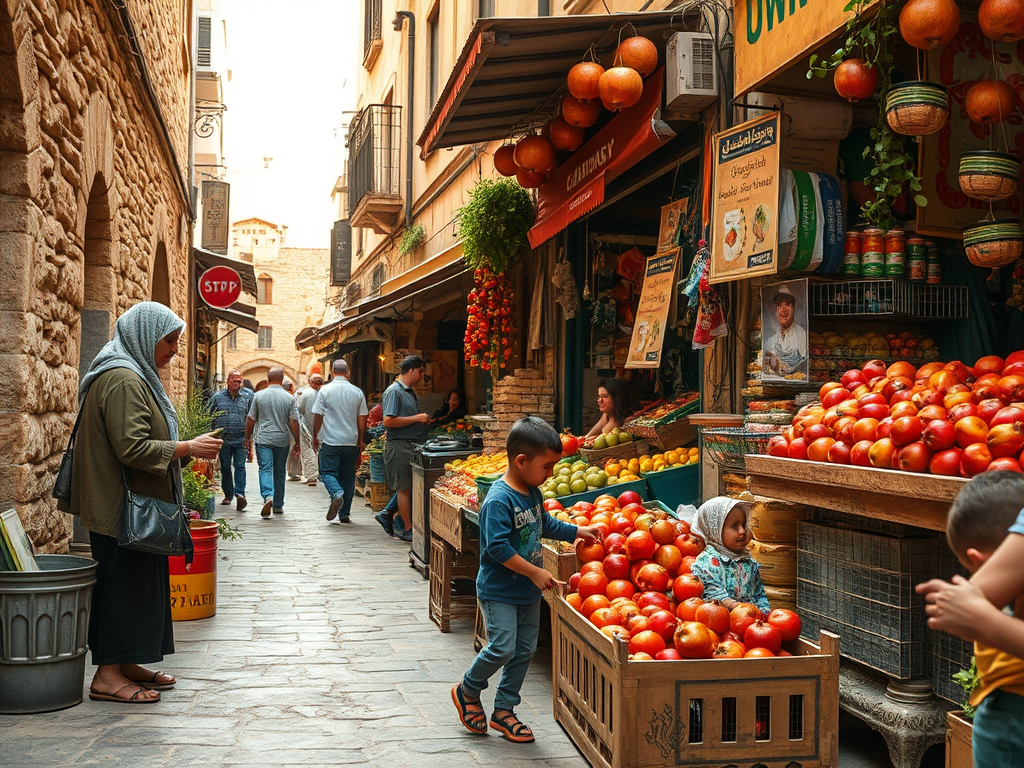
I remember, once, watching a grandmother in the Old Market haggle over pomegranates while her grandson darted between shopkeepers. The scene could’ve happened 2,000 years ago, give or take a cell phone. That’s Nazareth: ancient, everyday, holy, all at once.
If you’re thinking about a trip here—alone, with a group, family, or just your own wandering spirit—this guide’s for you. I’ll give you the bones, the stories, the tips, and a few things I wish someone had told me the first time.
Why People Come (And Why They Stay)
Let’s get the obvious out of the way: for Christians, Nazareth’s where it all began.
But even if you’re not religious, it’s a city with a strange pull. People come for a day and end up wishing for a week. It’s not about big attractions (though the Basilica of the Annunciation is breathtaking, no lie). It’s about small moments that creep into your memory.
Reasons Nazareth Gets Under Your Skin:
- You feel history—not just see it.
- The hospitality is not for show. People actually want to chat.
- Best food in the north, hands down.
- That sense of being “outside time”—if you let it happen.
- Unexpected friendships. (Happens more than you think.)
Sometimes, after a tour, guests tell me they came to “see where Jesus lived,” but left thinking about the people they met: the priest in a side chapel, the baker who gives you extra bread, the old man who gestures at Mary’s Well with more pride than you’d think possible.
The Sites: What You Really Need to See
The Basilica of the Annunciation
No way around it, this is the big one. Pilgrims and tourists crowd the gates, but if you go early, you might catch the basilica before the noise. Downstairs, the Grotto—believed to be Mary’s home—is hushed, candlelit, and somehow always cooler than outside. You’ll see mosaics from all over the globe. I still find new ones, tucked away, every visit.
St. Joseph’s Church
Quieter, only a stone’s throw from the Basilica. It’s over Joseph’s traditional workshop. A place for thinking about daily life—work, family, routine—things that don’t often make the headlines but make up most of our lives.
Synagogue Church
Easy to miss. Tucked off a bustling street, usually only a few people inside. Simple stone benches, old arches. Supposed to be the site where Jesus read Isaiah and, well, sparked a bit of trouble. If you listen, you can hear echoes.
Mary’s Well
Some say this is the actual spot where the Angel Gabriel appeared. Orthodox tradition, slightly different location. The well is public, surrounded by cafes and always a bit lively. Sit, sip tea, watch daily Nazareth go by.
Getting Lost: The Best Part
Look, you’ll see the main churches. But do yourself a favor and take a wrong turn. The Old Market—Suq—is a rabbit warren. You’ll smell spices before you see them. Ask someone where to get the “best kanafeh” and you’ll get three different answers and probably an invitation. I’m not exaggerating. Buy some olives, try the baklava, pick up soap or a small carving. Don’t rush.
If you’re lucky, you’ll bump into a group of kids playing soccer or an old man rolling dice under a fig tree. The best memories come from not sticking to the schedule.
Sample Itinerary: A Real Day in Nazareth
I’m not giving you a cookie-cutter plan. This is how I like to do it—adjust for your pace, interests, or the weather.
Morning:
- Basilica of the Annunciation (first, always—before crowds)
- St. Joseph’s Church
- Coffee break in the Old Market (try the strong stuff, even if it curls your toes)
- Synagogue Church
Lunch:
- Local falafel or a plate of maklubeh if you find a homey spot
Afternoon:
- Mary’s Well and the Orthodox Church
- Nazareth Village (if you want the “1st century experience”—sheep, carpentry, real olive oil pressing)
Sunset:
- Mount Precipice for the view—Jezreel Valley stretches forever
Evening:
- Shop for olive wood. Don’t be shy about chatting with the artisans.
Nazareth Compared to Other Holy Land Cities
Sometimes travelers ask if Nazareth is “worth it” compared to Jerusalem or Bethlehem. Apples and oranges, really. Here’s a table that might help you sort it out:
| Feature | Nazareth | Bethlehem | Jerusalem | Capernaum |
|---|---|---|---|---|
| Main Claim to Fame | Jesus’ boyhood, Annunciation | Birth of Jesus | Death, Resurrection | Jesus’ teaching |
| Atmosphere | Lively, local, intimate | Compact, deeply spiritual | Layered, intense | Quiet, lakeside |
| Must-See Sites | Basilica, Mary’s Well | Nativity Church | Sepulchre, Wailing Wall | Synagogue |
| Food Scene | Top notch—real home-cooking | Great sweets | Best variety | Simple, honest |
| Unique Experiences | Nazareth Village, Suq | Christmas Eve | Processions, markets | Boat rides |
| Best For | Culture, faith, foodies | Pilgrims, shoppers | Historians | Quiet reflection |
Truth? If you skip Nazareth, you’re missing a different rhythm—one that’s still tied to the land and the people.
When to Go & Local Wisdom
Spring is a dream—flowers, light rains, not too hot. Autumn’s good, too.
Summers get sticky and busy. Winter brings crowds for Christmas, which is festive, but be ready for lines and processions.
A few hard-won tips:
- Modest clothes, always (especially for churches).
- Comfortable shoes—you’ll thank me later.
- Cash for markets. Cards don’t always work.
- Don’t expect everyone to speak English, but you’ll get by with smiles and gestures.
- Don’t rush. You’ll regret it.
And never say no to coffee, even if you’re not a fan. It’s about the gesture, not the caffeine.
What You’ll Remember: Real Stories
It’s funny, after guiding for years, what sticks with people.
It’s not the sites, not really. It’s the conversation with a nun outside the Basilica, or learning three words of Arabic from a fruit seller.
One time, I watched a teenager quietly help an elderly pilgrim up the stairs—no one told him to. He just saw a need and filled it. It’s little moments like these that make Nazareth what it is.
That and the smell of warm bread at sunrise. If you can, stay overnight. The city is different after dark—soft, golden, almost secretive.
Quick Q&A – The Stuff Nobody Tells You
Q: Is Nazareth safe?
A: Yes. I walk these streets every day. Usual city smarts apply.
Q: One day enough?
A: You’ll see the highlights. For the soul of the place, stay longer.
Q: What to buy?
A: Olive wood carvings, soaps, spices. Buy direct from local Christian families if you can.
Q: Dress code?
A: Shoulders, knees covered for holy sites. No shorts.
Q: Food?
A: Amazing. Try everything. Don’t skip breakfast.
How to Book a Real Nazareth Experience
I won’t sugarcoat: Not every tour is created equal.
What you want is someone who knows the city, isn’t afraid to let you wander, and doesn’t rush you through churches like you’re on a conveyor belt.
At Elijah Tours, we keep it personal—local guides, flexible plans, support for local businesses. You want prayer time? Extra history? Something off the beaten track? Just say so.
Tour Options:
- Day trip from Jerusalem, Tel Aviv, or Tiberias
- Nazareth & Galilee combo
- Custom group tours
- Private family experiences
Most tours include all site entries, local lunch (that’s a treat), transport, and a guide who actually lives here. You get the real deal, not just the highlights.
The Final Word: Why Nazareth?
Because it’s alive. Because faith is something you taste, not just read about.
Because sometimes you need to walk the same streets as Jesus did—not to tick off a site, but to feel small, and maybe, unexpectedly, at home.
Ready for it?
Reach out to us on WhatsApp now and we’ll help you start your Nazareth journey—no bots, just real people waiting to chat.
 Private Israel Tours & Holy Land Travel