You know, every guidebook in the world will tell you the “facts” about Nazareth. It’s the largest Arab city in Israel, it’s where Jesus spent his childhood, there’s the Basilica and Mary’s Well. I’ve read those writeups. But honestly, nothing on the page matches what you feel the first time you walk its stone alleys. It’s a city that hums under your feet. Even on a sleepy morning, you catch a breeze that smells of coffee and za’atar, maybe bread, sometimes smoke from a bakery fire. It’s not quiet—never is, not really—but it feels peaceful, in a way that sneaks up on you.
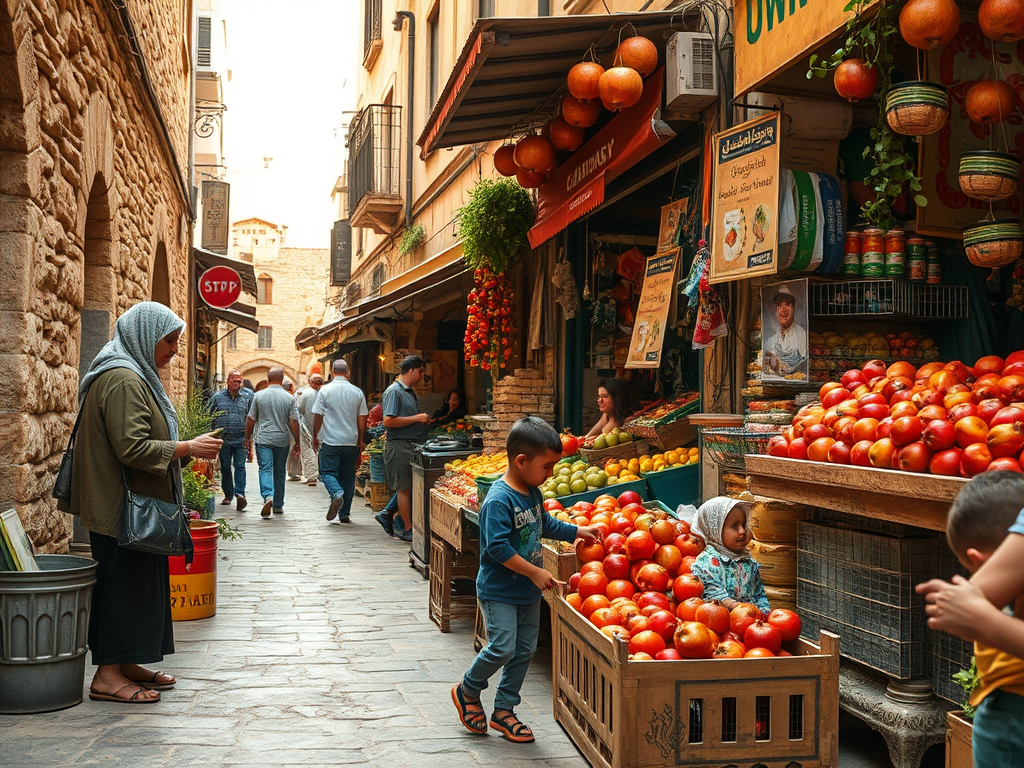
I remember, once, watching a grandmother in the Old Market haggle over pomegranates while her grandson darted between shopkeepers. The scene could’ve happened 2,000 years ago, give or take a cell phone. That’s Nazareth: ancient, everyday, holy, all at once.
If you’re thinking about a trip here—alone, with a group, family, or just your own wandering spirit—this guide’s for you. I’ll give you the bones, the stories, the tips, and a few things I wish someone had told me the first time.
Why People Come (And Why They Stay)
Let’s get the obvious out of the way: for Christians, Nazareth’s where it all began. But even if you’re not religious, it’s a city with a strange pull. People come for a day and end up wishing for a week. It’s not about big attractions (though the Basilica of the Annunciation is breathtaking, no lie). It’s about small moments that creep into your memory.
Reasons Nazareth Gets Under Your Skin:
You feel history—not just see it.
The hospitality is not for show. People actually want to chat.
Best food in the north, hands down.
That sense of being “outside time”—if you let it happen.
Unexpected friendships. (Happens more than you think.)
Sometimes, after a tour, guests tell me they came to “see where Jesus lived,” but left thinking about the people they met: the priest in a side chapel, the baker who gives you extra bread, the old man who gestures at Mary’s Well with more pride than you’d think possible.
The Sites: What You Really Need to See
The Basilica of the Annunciation
No way around it, this is the big one. Pilgrims and tourists crowd the gates, but if you go early, you might catch the basilica before the noise. Downstairs, the Grotto—believed to be Mary’s home—is hushed, candlelit, and somehow always cooler than outside. You’ll see mosaics from all over the globe. I still find new ones, tucked away, every visit.
St. Joseph’s Church
Quieter, only a stone’s throw from the Basilica. It’s over Joseph’s traditional workshop. A place for thinking about daily life—work, family, routine—things that don’t often make the headlines but make up most of our lives.
Synagogue Church
Easy to miss. Tucked off a bustling street, usually only a few people inside. Simple stone benches, old arches. Supposed to be the site where Jesus read Isaiah and, well, sparked a bit of trouble. If you listen, you can hear echoes.
Mary’s Well
Some say this is the actual spot where the Angel Gabriel appeared. Orthodox tradition, slightly different location. The well is public, surrounded by cafes and always a bit lively. Sit, sip tea, watch daily Nazareth go by.
Getting Lost: The Best Part
Look, you’ll see the main churches. But do yourself a favor and take a wrong turn. The Old Market—Suq—is a rabbit warren. You’ll smell spices before you see them. Ask someone where to get the “best kanafeh” and you’ll get three different answers and probably an invitation. I’m not exaggerating. Buy some olives, try the baklava, pick up soap or a small carving. Don’t rush.
If you’re lucky, you’ll bump into a group of kids playing soccer or an old man rolling dice under a fig tree. The best memories come from not sticking to the schedule.
Sample Itinerary: A Real Day in Nazareth
I’m not giving you a cookie-cutter plan. This is how I like to do it—adjust for your pace, interests, or the weather.
Morning:
Basilica of the Annunciation (first, always—before crowds)
St. Joseph’s Church
Coffee break in the Old Market (try the strong stuff, even if it curls your toes)
Synagogue Church
Lunch:
Local falafel or a plate of maklubeh if you find a homey spot
Afternoon:
Mary’s Well and the Orthodox Church
Nazareth Village (if you want the “1st century experience”—sheep, carpentry, real olive oil pressing)
Sunset:
Mount Precipice for the view—Jezreel Valley stretches forever
Evening:
Shop for olive wood. Don’t be shy about chatting with the artisans.
Nazareth Compared to Other Holy Land Cities
Sometimes travelers ask if Nazareth is “worth it” compared to Jerusalem or Bethlehem. Apples and oranges, really. Here’s a table that might help you sort it out:
Feature
Nazareth
Bethlehem
Jerusalem
Capernaum
Main Claim to Fame
Jesus’ boyhood, Annunciation
Birth of Jesus
Death, Resurrection
Jesus’ teaching
Atmosphere
Lively, local, intimate
Compact, deeply spiritual
Layered, intense
Quiet, lakeside
Must-See Sites
Basilica, Mary’s Well
Nativity Church
Sepulchre, Wailing Wall
Synagogue
Food Scene
Top notch—real home-cooking
Great sweets
Best variety
Simple, honest
Unique Experiences
Nazareth Village, Suq
Christmas Eve
Processions, markets
Boat rides
Best For
Culture, faith, foodies
Pilgrims, shoppers
Historians
Quiet reflection
Truth? If you skip Nazareth, you’re missing a different rhythm—one that’s still tied to the land and the people.
When to Go & Local Wisdom
Spring is a dream—flowers, light rains, not too hot. Autumn’s good, too. Summers get sticky and busy. Winter brings crowds for Christmas, which is festive, but be ready for lines and processions.
A few hard-won tips:
Modest clothes, always (especially for churches).
Comfortable shoes—you’ll thank me later.
Cash for markets. Cards don’t always work.
Don’t expect everyone to speak English, but you’ll get by with smiles and gestures.
Don’t rush. You’ll regret it.
And never say no to coffee, even if you’re not a fan. It’s about the gesture, not the caffeine.
What You’ll Remember: Real Stories
It’s funny, after guiding for years, what sticks with people. It’s not the sites, not really. It’s the conversation with a nun outside the Basilica, or learning three words of Arabic from a fruit seller. One time, I watched a teenager quietly help an elderly pilgrim up the stairs—no one told him to. He just saw a need and filled it. It’s little moments like these that make Nazareth what it is. That and the smell of warm bread at sunrise. If you can, stay overnight. The city is different after dark—soft, golden, almost secretive.
Quick Q&A – The Stuff Nobody Tells You
Q: Is Nazareth safe? A: Yes. I walk these streets every day. Usual city smarts apply.
Q: One day enough? A: You’ll see the highlights. For the soul of the place, stay longer.
Q: What to buy? A: Olive wood carvings, soaps, spices. Buy direct from local Christian families if you can.
Q: Dress code? A: Shoulders, knees covered for holy sites. No shorts.
I won’t sugarcoat: Not every tour is created equal. What you want is someone who knows the city, isn’t afraid to let you wander, and doesn’t rush you through churches like you’re on a conveyor belt.
At Elijah Tours, we keep it personal—local guides, flexible plans, support for local businesses. You want prayer time? Extra history? Something off the beaten track? Just say so.
Tour Options:
Day trip from Jerusalem, Tel Aviv, or Tiberias
Nazareth & Galilee combo
Custom group tours
Private family experiences
Most tours include all site entries, local lunch (that’s a treat), transport, and a guide who actually lives here. You get the real deal, not just the highlights.
The Final Word: Why Nazareth?
Because it’s alive. Because faith is something you taste, not just read about. Because sometimes you need to walk the same streets as Jesus did—not to tick off a site, but to feel small, and maybe, unexpectedly, at home.
Ready for it? Reach out to us on WhatsApp now and we’ll help you start your Nazareth journey—no bots, just real people waiting to chat.
Located just 6 miles south of Jerusalem, Bethlehem is the sacred birthplace of Jesus Christ and an important site for Christian faith. This ancient city attracts many pilgrims every year who want to explore the history described in the Bible.
Taking a guided tour from Jerusalem to Bethlehem offers Christian travelers a deeply meaningful spiritual journey. You’ll discover the exact location where Jesus was born, preserved within the Church of the Nativity, and experience the living heritage of Christianity’s earliest days.
Why choose a guided tour from Jerusalem?
Expert local guides share deep insights into biblical history
Seamless border crossing assistance between Israel and Palestinian territories
Convenient transportation in comfortable, air-conditioned vehicles
Access to all major religious sites with skip-the-line privileges
Rich cultural immersion in both ancient and modern Bethlehem
For Christian pilgrims, a Bethlehem tour transforms biblical stories into tangible reality. You’ll stand in the very places where shepherds first heard the angels’ proclamation and where wise men presented their gifts to the newborn King.
Key Religious Sites in Bethlehem
Bethlehem’s sacred landscape centers around three remarkable religious sites that draw pilgrims from across the globe. Each location holds profound spiritual significance and tells a unique part of the Christian narrative.
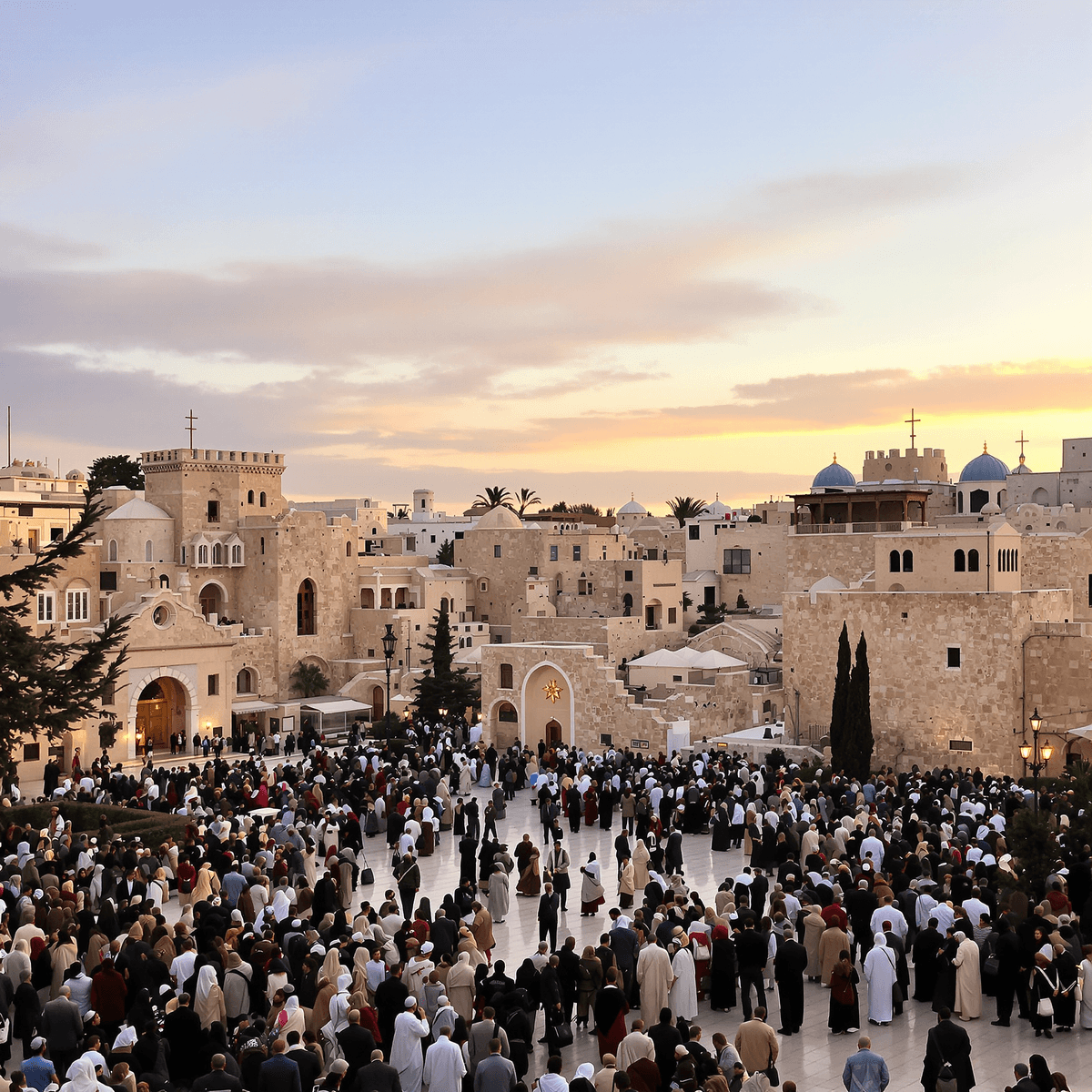
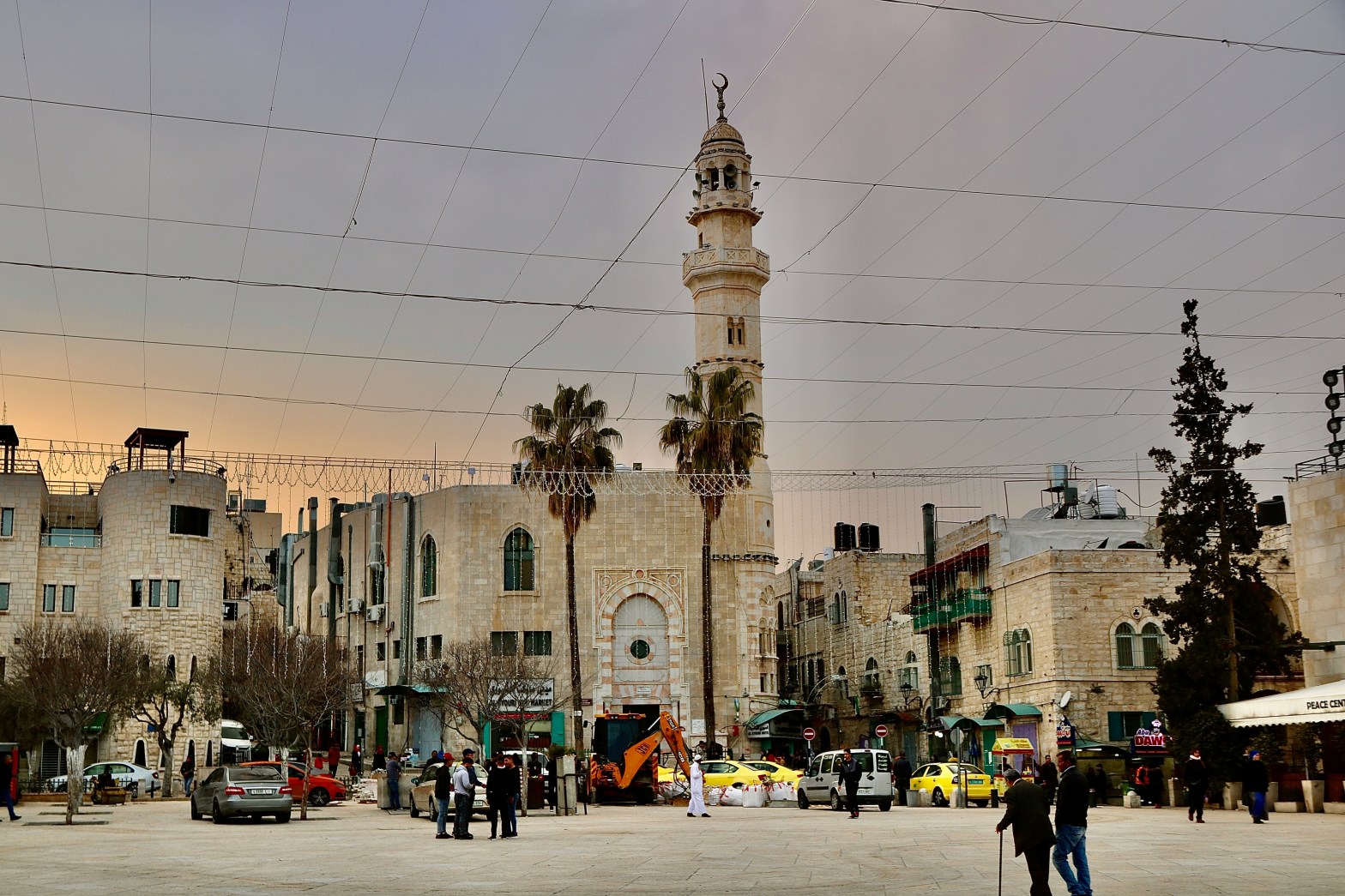
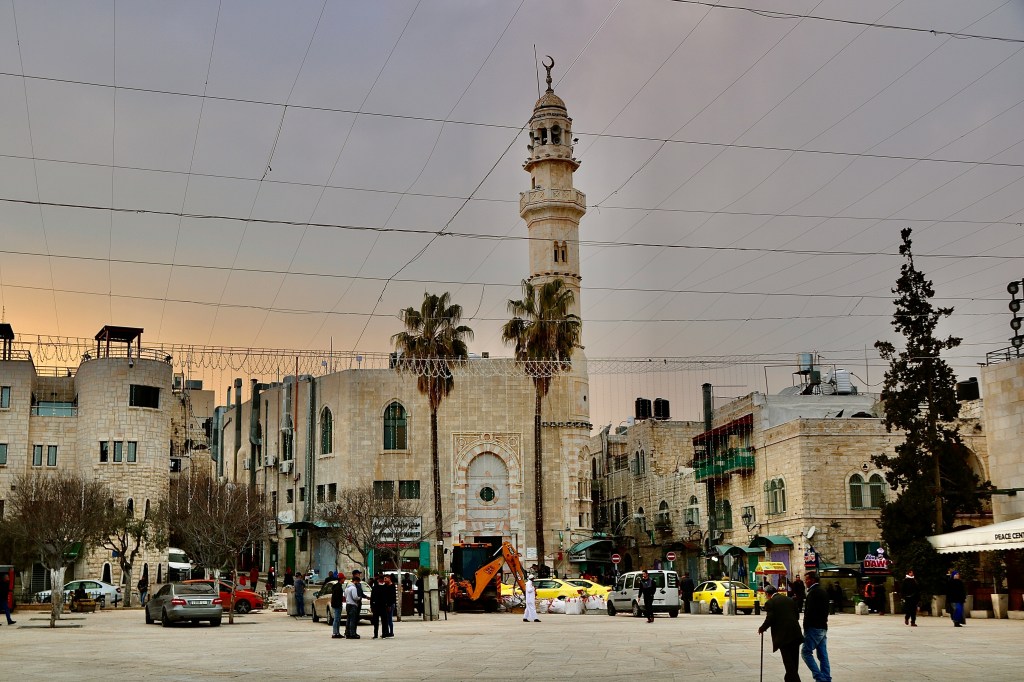
The heart of Bethlehem pulses in Manger Square, a cobblestone plaza surrounded by ancient limestone buildings. This central gathering space serves as the focal point for religious celebrations and hosts thousands of pilgrims during Christmas festivities. The square’s atmosphere shifts between peaceful contemplation during quiet mornings to vibrant energy during religious festivals.
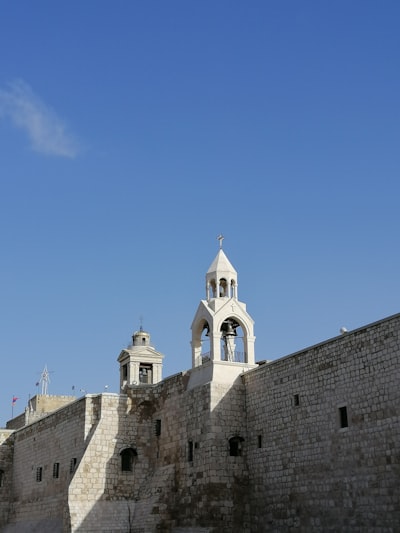
Standing proudly at the eastern end of Manger Square, the Church of the Nativity marks the traditional birthplace of Jesus Christ. Built in 326 AD under Emperor Constantine’s direction, this UNESCO World Heritage site represents one of Christianity’s oldest operating churches.
Key features of the Church of the Nativity include:
The Door of Humility – A small entrance requiring visitors to bow while entering
Ancient limestone columns dating back to the 4th century
Original 12th-century Crusader-era mosaics adorning the walls
The Grotto of the Nativity – A small cave beneath the main altar marking Jesus’s birthplace
A 14-pointed silver star indicating the exact spot of Christ’s birth
Adjacent to the Church of the Nativity, St. Catherine’s Church offers a contrasting architectural style and spiritual experience. This Roman Catholic church, built in the 19th century, stands on the site where Jesus allegedly appeared to St. Catherine of Alexandria.
Notable elements of St. Catherine’s Church:
Gothic-style architecture with stunning stained glass windows
Underground caves connected to the Nativity Grotto
The starting point for the annual Christmas Eve Midnight Mass broadcast worldwide
The church complex includes several chapels dedicated to various saints and biblical events. These sacred spaces provide quiet areas for prayer and reflection away from the main tourist flow.
During your visit, you’ll notice the intricate relationship between these three sites. The architectural styles span different periods, from Byzantine to Medieval and modern times
Additional Stops on Bethlehem Tours
Your spiritual journey extends beyond the heart of Bethlehem to other significant biblical locations. These carefully selected stops create a rich tapestry of religious history and cultural experiences.
Located in the Palestinian town of Beit Sahour, Shepherds’ Field holds profound significance in the Christmas narrative. This sacred site marks where angels appeared to shepherds, announcing the birth of Jesus. You’ll discover:
A serene grotto church adorned with beautiful frescoes
Ancient caves where shepherds sought shelter
Stunning panoramic views of the surrounding hills
Archaeological remains dating back to the 1st century
Solomon’s Pools – Three ancient reservoirs south of Bethlehem
Mar Saba Monastery – A dramatic cliff-hanging monastery in the Judean Desert
Herodium – King Herod’s palace-fortress with spectacular desert views
Rachel’s Tomb – A sacred site revered by three major religions
These combination tours maximize your time in the Holy Land, connecting the dots between biblical narratives and historical events. Professional guides share detailed insights at each location, bringing ancient stories to life through archaeological evidence and historical context.
Duration and Scope of Tours
Half-Day Tours: Essential Experiences in Bethlehem
Half-day tours pack essential Bethlehem experiences into a 4-5 hour window. You’ll visit the Church of the Nativity and Manger Square, perfect for travelers with limited time in Israel. These condensed tours run twice daily, offering morning and afternoon departures from Jerusalem.
Full-Day Tours: Deeper Exploration of Bethlehem’s Sacred Sites
Full-day tours provide a deeper immersion into Bethlehem’s sacred sites. Your 8-10 hour journey includes extended visits to major attractions, local markets, and authentic Palestinian restaurants. These tours allow time for personal reflection and photography at each location.
Multi-Day Tour Options: Rich Experiences Across Israel
Multi-day tour options create rich, layered experiences across Israel:
3-Day Holy Land Discovery: Includes Bethlehem, Jerusalem, and the Dead Sea
5-Day Biblical Journey: Explores Bethlehem, Jerusalem, Nazareth, and the Sea of Galilee
Each multi-day option includes hotel accommodations, professional guides, and carefully planned itineraries. You’ll gain comprehensive insights into the historical and religious significance of these biblical locations while traveling at a comfortable pace.
Logistics and Practical Information for Bethlehem Tours from Jerusalem
Your journey to Bethlehem starts with hassle-free transportation services from Jerusalem. Most tour operators provide pick-up services from central Jerusalem hotels between 8:00 AM and 9:00 AM, using modern air-conditioned vehicles for your comfort.
Transportation Services:
Pick-up points available at major Jerusalem hotels
Additional pick-up options from Tel Aviv, Natanya, and Herzliya
Return drop-off at your original pick-up location
Comfortable, climate-controlled vehicles with WiFi
Crossing from Jerusalem to Bethlehem requires passing through a checkpoint, as Bethlehem lies within Palestinian Authority territory. Your tour guide will assist you through this process:
Maintain relationships with site managers for smooth access
Your tour guide coordinates timing at each location to avoid peak crowds and ensures you maximize your time at each site. They’ll help you:
Site Access Management:
Skip long entrance queues
Visit sites during optimal viewing times
Access restricted areas where permitted
Meet local artisans and shopkeepers
The logistics of your tour are carefully planned to provide maximum comfort and security. Tour operators maintain constant communication with local authorities and adjust routes when needed. You’ll receive:
Real-time updates about site conditions
Alternative route options if needed
Support staff contact information
Clear meeting point instructions
Most tours include designated rest stops with access to:
Clean restroom facilities
Local refreshment options
Souvenir shopping opportunities
Free time for photos and exploration
Your guide provides detailed explanations at each site while maintaining a steady pace to cover all planned locations. They’ll ensure you have enough time to:
Take memorable photos
Ask questions
Purchase local crafts
Experience local culture
Cultural Considerations and Recommendations for a Meaningful Experience
Religious sites in Bethlehem require modest dress codes. You’ll need to cover your shoulders and knees – pack a light scarf or shawl to drape over revealing clothing. Men should avoid shorts, while women might consider loose-fitting pants or below-knee skirts.
Your choice between group and private tours shapes your Bethlehem experience:
Group Tours
Lower cost per person
Social interaction with fellow travelers
Fixed schedules and itineraries
15-25 people per group
Private Tours
Flexible timing and customizable routes
Personal attention from your guide
Freedom to spend more time at preferred sites
Ideal for families or small groups
Tour operators offer services in multiple languages, enhancing your understanding of Bethlehem’s rich history. Common language options include:
English
Spanish
French
German
Italian
Russian
Consider booking a guide who speaks your native language for deeper cultural insights and better communication during your sacred journey.
Special Tours and Seasonal Offerings in Bethlehem
The Christmas season transforms Bethlehem into a magical destination, with special tours designed to capture the festive spirit of Jesus’s birthplace. During December, the city sparkles with thousands of lights, and the streets buzz with holiday celebrations, religious ceremonies, and cultural events.
Christmas Eve Tours
Watch the annual Christmas parade through Manger Square
Experience the traditional lighting of the Christmas tree
Join local Christians in carol singing and festive celebrations
Taste seasonal Palestinian treats and traditional holiday foods
The highlight of Bethlehem’s Christmas season is the renowned Midnight Mass at the Church of the Nativity. This sacred service draws thousands of pilgrims from around the world, creating an unforgettable spiritual atmosphere. Tour operators secure prime viewing spots for their guests, ensuring you don’t miss this profound experience.
Seasonal Tour Packages Include:
Reserved seating areas for Midnight Mass
Special access to Christmas Eve ceremonies
Professional guides sharing historical Christmas traditions
Transportation from Jerusalem with border crossing assistance
Beyond the Christmas Eve celebrations, December visitors can explore unique seasonal offerings:
Christmas market tours featuring local artisans
Special evening tours of illuminated biblical sites
Special choir performances at St. Catherine’s Church
Christmas-themed workshops with local craftsmen
Many tours combine these seasonal experiences with visits to other significant sites. December visitors gain exclusive access to special exhibits and performances not available during other months. The cool winter weather creates perfect conditions for exploring the city’s ancient streets and historical landmarks.
Tour operators adjust their schedules during the Christmas season to accommodate the increased number of events and visitors. Small group options allow for intimate experiences, while larger group tours create an atmosphere of shared celebration. Booking these specialized Christmas season tours well in advance is essential due to high demand.
Customer Support and Assistance During Your Tour
Your Bethlehem tour experience comes with comprehensive support services designed to ensure a worry-free journey. Professional tour operators maintain dedicated customer service teams available 24/7 to address your needs and concerns.
Pre-Tour Support:
Detailed tour information and itinerary clarification
Assistance with booking modifications
Special accommodation requests
Dietary requirements coordination
Transportation arrangements
During-Tour Assistance:
Real-time communication channels with tour representatives
Emergency contact numbers for immediate support
Local guides fluent in multiple languages
Medical emergency coordination
Lost item recovery assistance
Many tour operators provide a dedicated WhatsApp line or mobile app for instant communication. You’ll receive contact cards with essential phone numbers at the start of your tour, ensuring help is just a call away.
Specialized Support Services:
Border crossing assistance
Prayer time scheduling adjustments
Photography permission guidance
Shopping recommendations
Cultural etiquette advice
Tour companies maintain strong relationships with local authorities and service providers in both Jerusalem and Bethlehem. This network allows them to quickly resolve any issues that might arise during your visit.
For travelers with specific needs or concerns, private tour options offer personalized support with dedicated guides who can adjust the pace and focus of your experience. Your guide serves as both a cultural interpreter and support coordinator, ensuring your comfort throughout the journey.
Conclusion
A journey from Jerusalem to Bethlehem is more than just a tourist trip—it’s a deep spiritual exploration that connects you with centuries of faith and history. Walking through Manger Square, kneeling at the birthplace of Jesus in the Church of the Nativity, and standing where shepherds first heard the Christmas story creates memories that resonate deeply with visitors.
Bethlehem tours offer you:
Direct access to Christianity’s most revered sites
Expert guidance through historical landmarks
Seamless travel arrangements across borders
Rich cultural immersion in both Israeli and Palestinian territories
Your spiritual journey awaits in Bethlehem. Each stone in its ancient streets, each prayer whispered in its holy churches, and each moment spent in reflection adds to the tapestry of your personal pilgrimage. Whether you choose a half-day excursion or an extended exploration, these tours provide the perfect gateway to experience Bethlehem’s transformative power.
Book your Bethlehem tour from Jerusalem today—step into the footprints of history and embrace an experience that will deepen your faith and understanding of Christianity’s roots. Let the birthplace of Jesus become part of your own story.
FAQs (Frequently Asked Questions)
What is the significance of Bethlehem tours from Jerusalem for Christian pilgrims?
Bethlehem tours from Jerusalem are significant for Christian pilgrims as they offer a unique opportunity to visit the birthplace of Jesus Christ, explore key religious sites such as Manger Square and the Church of the Nativity, and engage in a spiritual journey that enriches their faith and understanding of biblical history.
Which key religious sites are included in Bethlehem tours?
Key religious sites included in Bethlehem tours are Manger Square, known for its central role in Christmas celebrations; the Church of the Nativity, which holds immense historical and religious importance as the traditional birthplace of Jesus; and St. Catherine’s Church, which plays a vital role in Bethlehem’s religious heritage.
Can Bethlehem tours from Jerusalem include visits to other biblical locations?
Yes, many Bethlehem tours from Jerusalem include additional stops such as Shepherds’ Field, where angels announced Jesus’ birth; Jericho, one of the oldest inhabited cities rich with biblical history; and Jerusalem itself, allowing travelers to explore iconic religious and historical landmarks alongside Bethlehem.
What types of tour durations are available for Bethlehem tours from Jerusalem?
Bethlehem tours from Jerusalem are available in various durations including half-day tours ideal for time-constrained travelers, full-day tours offering comprehensive experiences of multiple sites, and multi-day tours that cover a wide range of attractions across Israel for an immersive experience.
What practical information should travelers know about logistics when taking Bethlehem tours from Jerusalem?
Travelers should be aware that Bethlehem tours often provide pick-up and drop-off services from major cities like Jerusalem. It is important to understand border crossing procedures with the Palestinian Authority, and benefit from professional guidance provided by local tour guides to navigate cultural nuances and ensure a smooth experience.
Are there special or seasonal offerings available on Bethlehem tours?
Yes, special seasonal offerings such as Christmas season tours are available, featuring unique experiences like attending Midnight Mass at Manger Square. These seasonal tours highlight the festive spirit of Bethlehem and provide memorable opportunities for spiritual celebration during this significant time.
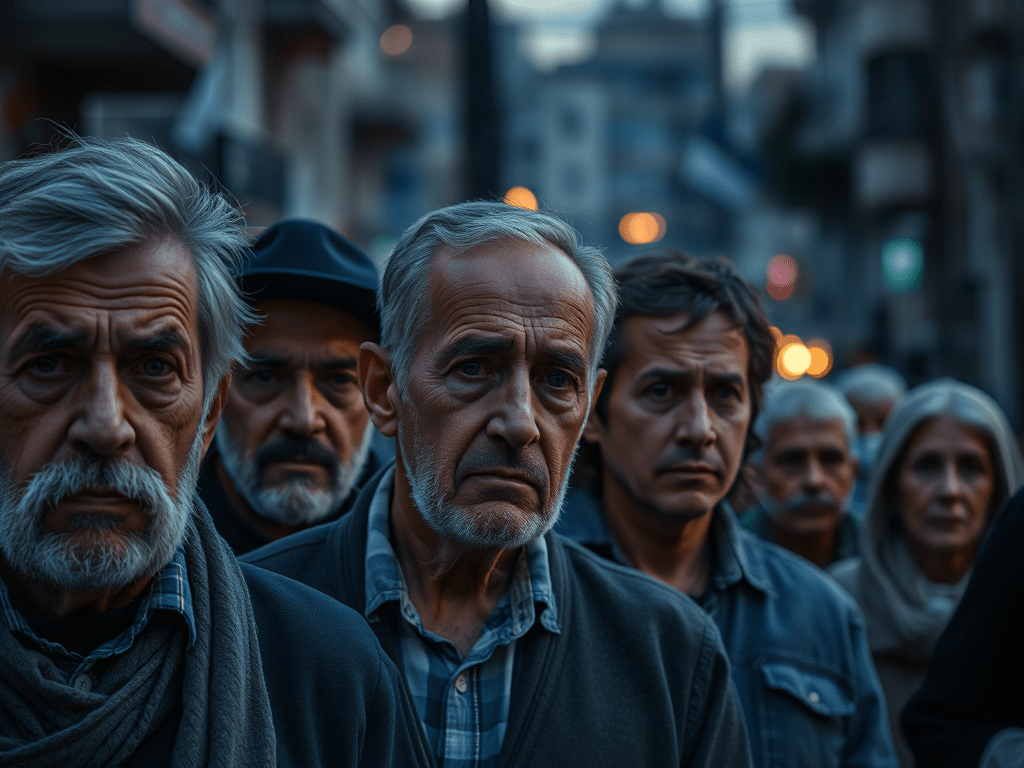
Walk down a street in Jerusalem or Tel Aviv lately, and there’s a tension you can almost touch. Older folks shake their heads, remembering wars past. The younger generation watches news updates nervously, WhatsApp threads full of wild rumors and political memes. It isn’t just fear of rockets or headlines about another military operation; there’s something deeper this time. Ask around, and you’ll hear the same thing: “We’re used to living on the edge—but these days, the edge feels sharper than ever.”
A War Nobody Wanted, But Everyone Saw Coming
It started like a hundred times before—rumors of military buildups, politicians warning on TV. But what happened in June changed everything. Israeli jets roared east, striking deep inside Iran, hitting what officials said were nuclear and military targets. The Iranian response came quick and terrifying: hundreds of missiles and drones lit up the sky, reaching Israeli cities in a show of force few could have predicted.
People in the Negev said the night sky looked like it was on fire. In Tehran, air raid sirens sent whole neighborhoods underground. On both sides, families huddled together, parents trying to sound braver than they felt. If you’ve ever seen that kind of fear on someone’s face, it sticks with you.
Markets panicked. Oil prices shot up. Flights were canceled or rerouted. Schools closed in parts of Israel, not because a missile was definitely coming, but because nobody could promise one wouldn’t. The Israeli foreign minister went on TV, vowing to strike back even harder if Iran fired again. Across the region, everyone was bracing for what might come next.
Political Chaos: The Knesset at War With Itself
If you think the enemy is only outside the walls, you haven’t been watching Israeli politics. The Knesset—a place known for shouting matches—reached new levels of drama this spring. A hotly debated attempt to dissolve parliament fell apart by just a few votes. At the heart of it? The decades-old fight about whether ultra-Orthodox (Haredi) men should be forced to serve in the army.
You’d be surprised how personal this debate feels. Secular Israelis with kids on the front lines are openly angry, asking why their neighbors get a pass. Haredi leaders fire back that prayer protects Israel more than tanks ever could. The prime minister is caught in the middle, trying to keep his shaky coalition from collapsing while not angering anyone enough to bring it all down.
Scandal: When the Corruption Hits Home
On top of war and politics, Israel is reeling from a corruption scandal dubbed “Qatargate.” The story, as it’s coming out, is that top aides to the prime minister might have taken hush money from Qatari sources to shape how the media covered the government—even during wartime. The investigation is just starting, but people are already disgusted. It feels, to many, like a betrayal right when the country needs real leadership the most.
For some Israelis, it’s nothing new. “Every government has its dirty secrets,” said one old-timer outside a café in Haifa. “But if this is true, it’s different. This is about selling us out for cash, while our boys are fighting.”
World Pushback: Ministers Sanctioned, Image Tarnished
International patience is wearing thin, too. Several Western countries—including the UK, Canada, Australia, and Norway—have slapped sanctions on two far-right Israeli ministers, citing their inflammatory rhetoric and actions against Palestinians. Some Israelis see this as an attack on their democracy; others think it’s a wake-up call that the world is losing patience with the current government’s hard line.
The response at home is split. On the right, there’s anger: “We pick our leaders, not foreigners.” On the left, frustration: “Maybe now they’ll listen.” The prime minister went on TV again, calling the sanctions antisemitic and vowing that Israel wouldn’t cave to outside pressure.
Maps and Missteps: A Diplomatic Snafu
It wasn’t all bombs and politics. In a bizarre twist, Israel’s own military published a map during the recent conflict that showed Jammu & Kashmir as part of Pakistan, angering longtime ally India. A quick apology followed, but it was a reminder of how even small mistakes can ignite big problems in this part of the world.
The Human Side: Beyond Numbers and Headlines
It’s easy to get lost in numbers: rockets, casualties, polling data. But the real cost is harder to measure. Kids missing weeks of school. Teenagers sleeping in bomb shelters. Parents working two jobs, still unable to promise safety. In Gaza, the suffering continues, too—blockades, airstrikes, lives uprooted. In the north, everyone’s watching Hezbollah, wondering if another front is about to explode.
Across Israel and its neighbors, the mood is a mix of exhaustion and defiance. Some talk about leaving. Others dig in, insisting this is just another storm to ride out.
What’s Really Different This Time?
It’s not just another “cycle of violence.” What makes 2024 feel so different is that everything’s colliding at once:
The Iran-Israel conflict is now out in the open.
The government looks shakier than ever.
Major allies are starting to distance themselves.
Nobody agrees on what to do next, except that something has to change.
Table: Flashpoints in the Crisis
Issue
What Happened
Why It Matters
Israel–Iran strikes
Direct missile and drone attacks between countries
Risk of regional war, global economic shock
Knesset drama
Parliament nearly dissolved over army draft law
Exposes deep rifts, risks government collapse
Qatargate
Alleged Qatari bribes to top officials
Trust in leadership at all-time low
Minister sanctions
Western governments sanction Israeli far-right leaders
Diplomatic isolation, possible economic fallout
Map gaffe
IDF map showed Kashmir as Pakistan
Damaged ties with India, diplomatic headache
Voices From the Street
“We’ve always had enemies,” says Matan, a father of three in Ashkelon. “But I never thought we’d be this divided inside. The anger, the fear—it’s like we’re waiting for something to break.”
“Does anyone in power even care about us anymore?” asks Sara, a young student in Jerusalem. “They fight, we pay the price.”
The World Reacts
World leaders are, as usual, calling for restraint. But few Israelis trust those words mean much anymore. Oil prices are up, flights are down, and no one is sure where the next headline will come from.
If you’re in Europe or the Gulf, you’re watching closely—every missile, every vote in the Knesset, every scandal could change your energy bill, your company’s bottom line, or even your city’s security.
What Now? No Easy Answers
Maybe a new election is coming. Maybe another war. Maybe, just maybe, a chance for something new. Most people aren’t betting on miracles. They’re just hoping tomorrow will be a little less tense than today.
The Wells of David: Rediscovering Bethlehem’s Humble King and His Forgotten Springs
The Quiet Water Beneath the Noise
When most people hear “Bethlehem,” their minds leap to the manger. To Christmas. But this little hill town has stories far older—stories carved in stone and whispered through olive branches.
Long before the nativity, before choirs of angels, there was a shepherd boy named David. His story started not in a palace or a battlefield, but among rocks, sheep, and springs. And in one moment, later in life, far from home and weary, he whispered a longing that still echoes:
“Oh, that someone would bring me water from the well near the gate of Bethlehem…”
That single line reveals everything. The homesickness. The sweetness of memory. The sacredness of something as simple as a drink from your own well.
David’s Bethlehem: More Than a Footnote
Bethlehem wasn’t grand. It didn’t have columns or armies. But it shaped kings.
Known in scripture as Bethlehem Ephrathah, this “House of Bread” was where David grew up. It was here, in the shadow of two rocky ridges, that the youngest son of Jesse was anointed by Samuel. Nobody expected much from David. He was, quite literally, left out in the fields.
And yet—God saw him. Chose him. And so the story of Bethlehem as the Town of David began.
The Wells Behind the Church: Still Standing, Still Silent
Walk past Manger Square, away from the crowds, and you might find them. Three ancient wells tucked behind the Church of St. Catherine. Not active. Not fenced off. Just… there.
Locals call them David’s Wells, and while scholars debate details, tradition holds firm. These could very well be the very same wells that quenched the boy David, and haunted the king in exile.
There’s no sign. No ticket booth. Just stone circles sunken into the earth, whispering a history that won’t raise its voice but also won’t go away.
Shepherd’s Fields: Where Psalms Were Born
To the south of Bethlehem lie the quiet hills of Shepherds’ Field. Tour buses know the spot, but if you walk just a bit farther, the hills still feel like they did three thousand years ago.
It’s here David tended his flocks. Likely barefoot. Probably singing. Maybe even composing verses that would become sacred psalms.
And centuries later, these same fields would see another shepherd’s sign—this time with angelic choirs announcing Jesus’ birth.
It’s all connected. The silence. The sheep. The Savior. And it all loops back to David.
Hills, Cisterns, and Anointing Oil
Bethlehem was built between two rugged elevations. Not a coincidence. These hills provided safety, grazing land, and natural water channels—especially crucial for a shepherd’s family.
Beneath the ground, even today, archaeologists have uncovered ancient cisterns, storage channels, and Iron Age pottery. These aren’t museum pieces—they’re the bones of the biblical town.
And somewhere in that landscape, Samuel poured oil over David’s head. The youngest. The one nobody invited to the line-up. That’s Bethlehem for you—always picking the overlooked.
A Table for Reflection
Biblical Site
Significance
What You See Today
Wells of David
David’s longing for home and familiar water
Three ancient wells behind church walls
Anointing of David
Samuel chooses David as king
Traditionally believed to be nearby hill
Shepherd’s Fields
Where David and later angels tended the flocks
Quiet hills south of the city
Two Rocky Hills
Bethlehem’s natural geography and defense
Still shaping the city’s layout
Iron Age Artifacts
Physical evidence of David’s Bethlehem
Pottery and water systems beneath square
The Prophetic Line From David to Christ
The Old Testament isn’t just history—it’s layered. And Bethlehem plays a starring role in both David’s beginning and Jesus’ birth.
The prophet Micah declared that from Bethlehem would come a ruler for Israel. That ruler was David. And later, another would be born in a stable just down the road from those wells. Jesus, also called Son of David, fulfilled that prophecy in full.
Bethlehem became the city of kings, not because it crowned them—but because it made them.
No Tour Map Can Explain This
Ask a local guide about the wells and they’ll smile. Not every traveler finds them. Some walk right by. But if you take your time, slow your steps, and listen, Bethlehem reveals itself. Not loudly, but clearly.
That’s the magic of the town. It doesn’t beg to be noticed—it invites you to remember.
Bethlehem Isn’t Just a Christmas Destination
Most tourists come in December, snap a few photos of the Nativity Church, and leave. But they miss the deeper Bethlehem—the Bethlehem of David, the boy, the psalmist, the fugitive king.
The one who thirsted not just for water, but for home.
Come. Walk the Wells.
If you’ve ever dreamed of walking in David’s footsteps—not just reading about them—this is your invitation.
With Elijah Tours, you’ll visit the ancient wells, explore the true terrain of David’s Bethlehem, and meet the people who still carry that memory in their bones.
📱 Contact us now via WhatsApp to book a spiritual, historical, and unforgettable walk through the Town of David.
t’s hard to describe Jerusalem. Even after visiting, the words don’t come easily. It’s not just a city. It’s an argument. A prayer. A miracle. A contradiction. And above all—Jerusalem is alive.
If you’re planning to visit (or even just curious), here’s what you absolutely should know—from the political heat to the spiritual chills.
Is Jerusalem in Israel or Palestine?
This is one of those questions that doesn’t come with a clean answer. Or at least not one that makes everyone happy.
West Jerusalem has been under Israeli control since 1948. After the war in 1967, Israel captured East Jerusalem (the part with the Old City) and later annexed it. Most countries don’t recognize this annexation. The United Nations still sees East Jerusalem as part of the occupied Palestinian territories.
So what does that mean in reality? On the ground, Israel runs the whole city. But globally, it’s still a matter of dispute. To many Israelis, Jerusalem is their eternal capital. For Palestinians, East Jerusalem is the capital they dream of.
It’s Not Just Politics. It’s Sacred Ground for Billions.
The city’s weight isn’t just political—it’s spiritual. You’ll see it on every street. People cry here. People kneel. People sing and kiss old stones.
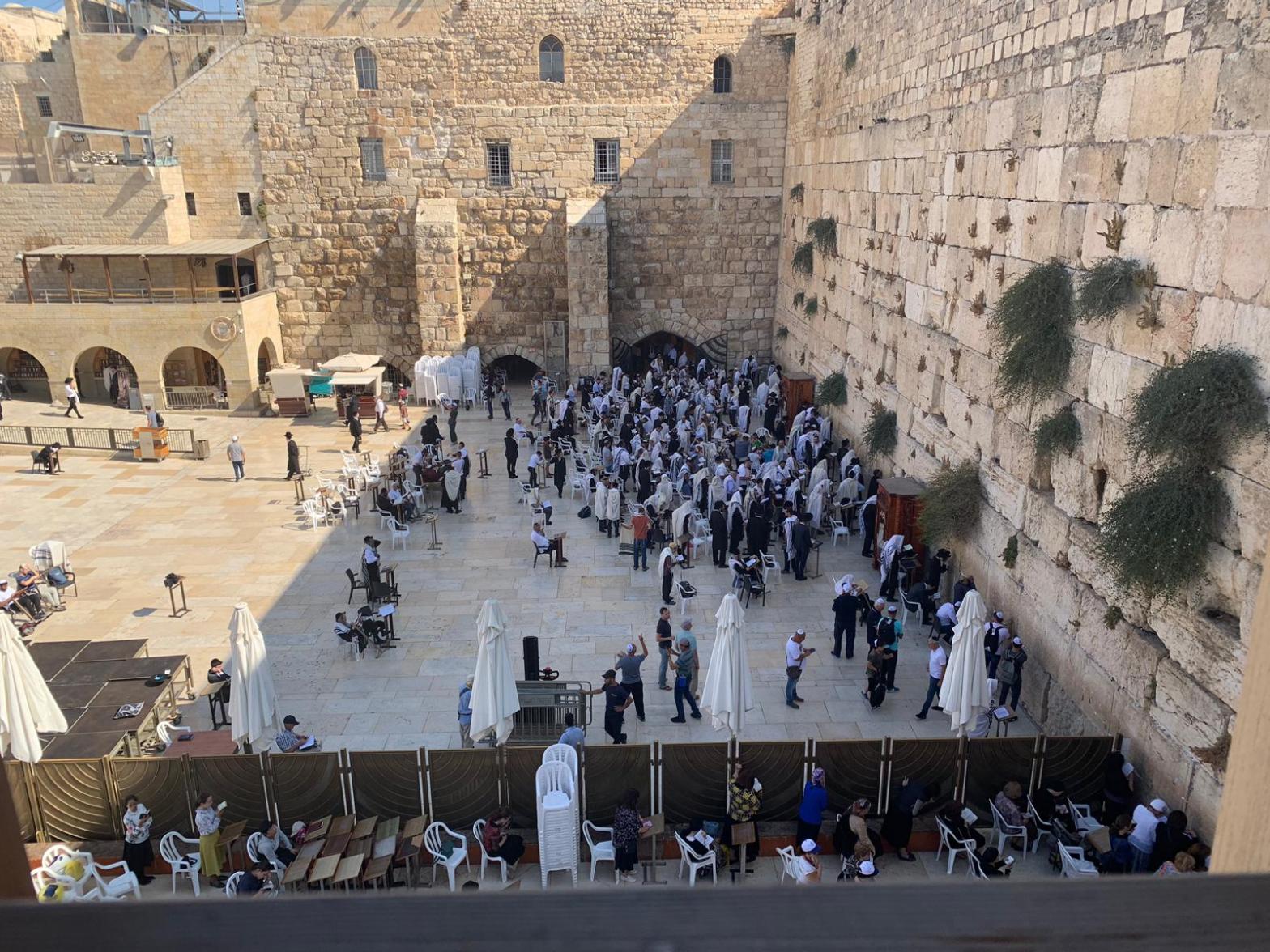
For Jews, this is where the Temple once stood—the very heart of their faith. For Christians, it’s where Jesus walked, was crucified, and came back from the dead. And for Muslims, Jerusalem is home to Al-Aqsa, where the Prophet Muhammad ascended to heaven during the Night Journey.
This isn’t just one religion’s holy city. It’s three of them. Stacked, layered, and living together. Sometimes peacefully. Sometimes not.
There are few cities where a 10-minute walk can take you through four different religious quarters, five languages, and a thousand years of history.
The Old City is divided into quarters—Jewish, Muslim, Christian, and Armenian. But the lines blur in the real world. A Muslim shopkeeper sells Christian rosaries. An Orthodox Jew walks by an Arabic bakery. The tension? It’s there. But so is the humanity.
It’s messy, beautiful, and unforgettable.
Where to Eat in Jerusalem
The food in this city is an explosion of flavor and culture. Think flaky pastries, warm pita fresh from the oven, grilled lamb skewers, and citrusy herbs. Everyone eats here like it’s their last meal.
Head to Mahane Yehuda Market (locals just say “the shuk”). During the day, it’s a bustling scene of fruit vendors, spice stalls, and old women bargaining. At night, the market flips—bars, live music, and people dancing with hummus in hand.
If you’re a Christian, it’s impossible not to feel something when walking the Via Dolorosa—the path believed to be where Jesus carried his cross. And then you reach the Church of the Holy Sepulchre, where so many believe he was crucified and rose again.
Even if you’re not religious, the energy inside that church is heavy. There are candles. Whispers. Songs. You don’t leave that place unaffected.
The Al-Aqsa Mosque and the Muslim Heart of the City
The Haram al-Sharif (Noble Sanctuary) is home to Al-Aqsa Mosque and the Dome of the Rock. For Muslims around the world, this is the third holiest place after Mecca and Medina.
You’ll see people here from everywhere—Indonesia, Turkey, Egypt, the West Bank—praying side by side. Some cry. Some bring their kids. Some just sit in silence, watching the golden dome shine in the light.
Best time to visit: Spring or fall. Summers are brutal.
Dress modestly, especially around religious sites. Shoulders and knees covered.
Don’t rely only on cards. Bring cash—especially in markets.
Avoid religious holidays if you don’t like crowds.
Be open. Be kind. People may surprise you.
Final Thoughts
You don’t just visit Jerusalem. You feel it.
It’s loud, sacred, stressful, peaceful, overwhelming, quiet, and wildly human. It’s a place that doesn’t try to be liked. It just is. And maybe that’s what makes it unforgettable.
Jericho & Jordan River Tours 2025: More Than Just History
Let’s face it — not all Holy Land tours leave a mark. But Jericho and the Jordan River? They do something different. They slow you down. They let you breathe. And they whisper stories that have been waiting for thousands of years to be heard.
In 2025, more and more travelers are skipping the tourist traps and heading east of Jerusalem to discover something deeper.
Why Jericho Feels Like a Living Bible Chapter
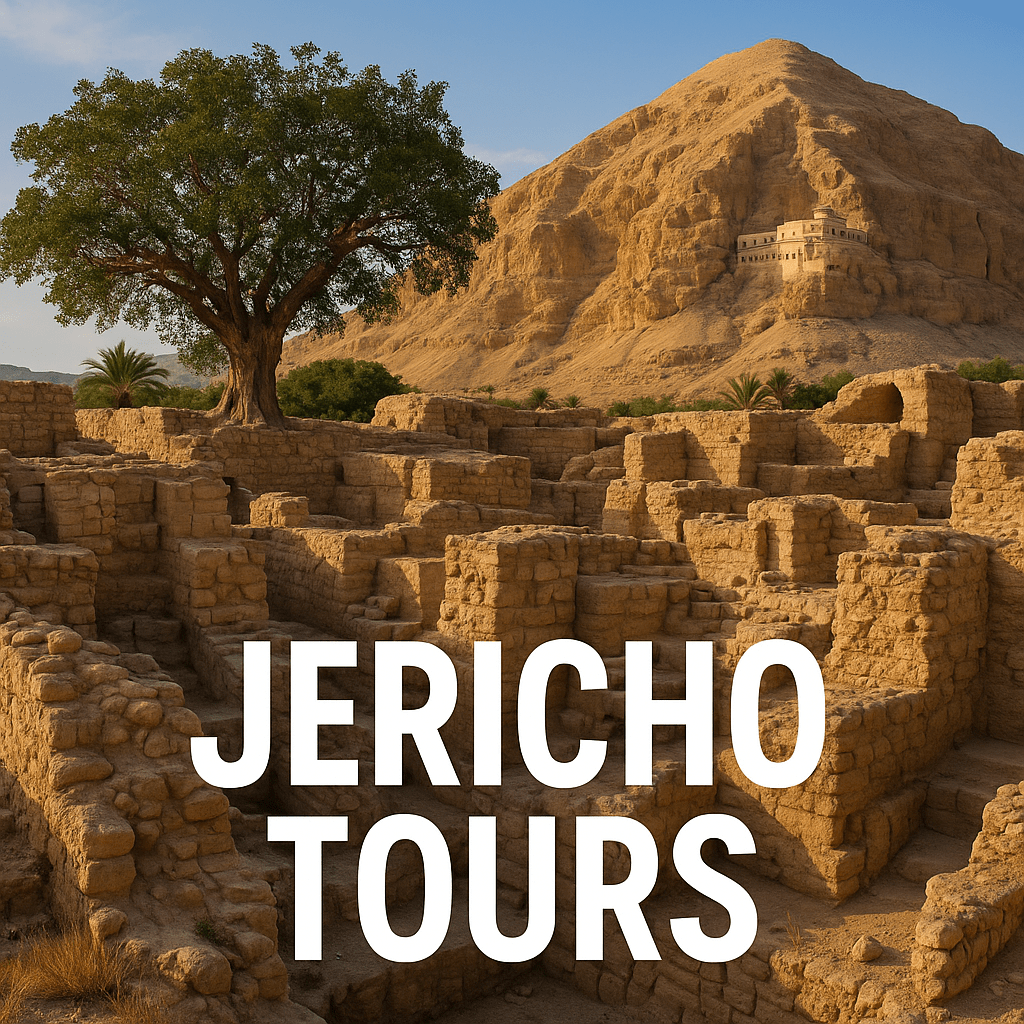
Walls that once fell to a trumpet’s blast. A prophet who healed a spring. A man named Zacchaeus who climbed a tree hoping to see a glimpse of grace.
That’s Jericho. It’s not a ruin — it’s a revelation.
Sitting quietly in the West Bank, Jericho is about 40 minutes from Jerusalem. But it feels light years away in rhythm and atmosphere. Expect stillness, warm breezes, and voices from scripture rising with the wind.
The Jordan River: Where Stories Flow
When people ask “Where did the Israelites cross the Jordan?”, the answer leads to Qasr el Yahud — not far from Jericho. It’s also the traditional site of Jesus’ baptism by John.
Pilgrims come from all over the world. Some walk slowly into the water. Others stand back, watching with quiet awe.
It’s not about how deep the river is. It’s what it carries.
What Makes Jericho So Special?
You’re walking through 10,000 years of human memory. No exaggeration.
Tell es-Sultan holds ancient ruins that go back to the Neolithic era.
Mount of Temptation still towers, where Jesus is said to have fasted for 40 days.
The Sycamore Tree reminds us of Zacchaeus’ simple yet bold act of faith.
Elisha’s Spring flows with cool water, believed to be healed by the prophet himself.
These are more than photo ops. They’re sacred echoes.
Quick Jericho & Jordan Facts You Didn’t Know
The name “Jericho” may come from the word Yareach, meaning moon — perhaps linked to ancient lunar worship.
Jericho has survived more than 23 destructions and rebuilds.
It’s fed by natural springs, making it a green oasis in a desert landscape.
Some say you can feel the weight of Joshua’s curse over the city still lingering.
Is Jericho the Promised Land?
Not quite. It was the first step inside. The first taste. The beginning of fulfillment.
Why was Jericho cursed?
Joshua warned that anyone who rebuilt it would do so at great cost (Joshua 6:26). And centuries later, tragedy did follow a man who dared.
The city was conquered with faith. And marked with warning.
What Happened to the 12 Stones?
The stones that Joshua placed in the Jordan (Joshua 4) haven’t survived. But visitors still leave their own.
Some stack pebbles quietly. Others just sit and reflect. The tradition continues in a different way.
What to Expect on a Jordan River Baptism Tour from Jerusalem
Hotel pick-up and comfortable transport
Guided reflection and optional baptism at Qasr el Yahud
In 2025, the story of Bethlehem is shifting. It’s no longer just about standing in front of the Church of the Nativity or checking off a religious site. Today’s travelers want something deeper—an emotional, authentic connection with the people, the land, and the history.
They want stories, not just statues. And Bethlehem, often overlooked beyond its famous basilica, is filled with them.
Here’s what’s rising in popularity—and why these hidden tours are worth every step.
1. Bethlehem Cultural Tours with Local Guides
The best way to truly understand Bethlehem? Walk it with someone who lives there. Bethlehem cultural tours with local guides turn the streets into stories. You’ll learn about faith, family, and life behind the headlines—from voices who know it best.
Elijah Tours specializes in private and small-group cultural explorations that go beyond the brochure.
2. Handmade Crafts Tour Bethlehem Beit Sahour
Want to see Bethlehem with your hands? Join a handmade crafts tour in Bethlehem and Beit Sahour. You’ll visit workshops where olive wood carving, mother-of-pearl art, and embroidery are still crafted by hand.
You can even try carving a cross yourself. It’s not just shopping—it’s storytelling through craftsmanship.
3. Aida Refugee Camp Tour Experience Bethlehem
The Aida Refugee Camp tour is not what you expect—it’s more. It’s not about poverty; it’s about perseverance. Witness murals, cultural centers, and local projects that redefine what it means to live with dignity amid struggle.
This tour is often cited as the most meaningful stop of the trip.
4. Visit Christian Artisan Homes in Beit Sahour
Step into a home where every olive wood piece tells a story. With Elijah Tours, you can visit Christian artisan homes in Beit Sahour, drink coffee with the family, and buy directly from the artists themselves.
No middlemen. No inflated prices. Just pure hospitality and fair-trade artistry.
5. Hidden Pilgrimage Sites Near Bethlehem
Beyond the Church of the Nativity are lesser-known gems:
St. Jerome’s Cave
Mary’s Spring in Artas
Ancient shepherd tombs in the hills
These hidden pilgrimage sites near Bethlehem bring peace and perspective. Perfect for the spiritual traveler seeking silence over selfies.
6. Custom Judean Desert Monastery Tour
Ever watched the sun rise over a monastery built into a cliff? The custom Judean Desert monastery tour gives you that chance. Visit sacred, remote places like Mar Saba with experienced guides and 4×4 access.
These places aren’t reachable by tour bus—but they’ll reach deep into your heart.
7. Authentic Palestinian Refugee Camp Visit
More than a visit—it’s a conversation. An authentic Palestinian refugee camp visit with Elijah Tours includes guided conversations with locals who want to share, not be observed.
The goal is understanding. Not charity.
8. Christian Heritage Day Trips from Jerusalem
Based in Jerusalem? These Christian heritage day trips from Jerusalem bring Bethlehem to your doorstep:
Church of the Nativity
Shepherds’ Field
Lesser-known chapels and monastic caves
It’s a pilgrimage without the rush.
9. Off the Beaten Path Tours Bethlehem 2025
Looking for quiet spaces where spirituality breathes? Off the beaten path tours in Bethlehem 2025 explore caves used by early Christians, ancient hillside trails, and silent stone sanctuaries where time slows.
These are moments of reflection you won’t find on a typical tour.
Ethical travel matters. Local community tourism in the West Bank allows you to support real families and artists directly. Elijah Tours partners with cooperatives, homestays, and youth projects to ensure every shekel counts.
Skip the big chains—go straight to the soul.
✨ Why These Detours Matter
These aren’t add-ons. These are the moments that define your trip.
Whether it’s hearing an elder tell their story over mint tea or finding quiet in a cliffside monastery, these experiences create memories that no photo can fully capture.
You know Bethlehem, right? The birthplace of Jesus. The Church of the Nativity. A quick visit, a few photos, maybe some olive wood shopping. Then back to Jerusalem.
Not anymore.
In 2025, something is changing. Travelers don’t just want history—they want humanity. They want to feel something real. They want to meet the people, walk the neighborhoods, and hear the stories that never make it into the guidebooks.
Welcome to the real Bethlehem.
1. Off the Beaten Path Tours Bethlehem 2025
Crowds aren’t for everyone. That’s why off the beaten path tours in Bethlehem 2025 are trending fast. Think:
Imagine wandering narrow alleyways with someone who actually grew up there. That’s what you get with Bethlehem cultural tours with local guides. You’ll hear about centuries of faith, struggle, coexistence—and you’ll hear it from voices that lived it.
Elijah Tours offers small group and private tours that connect you with the heartbeat of the city, not just its monuments.
3. Visit Christian Artisan Homes in Beit Sahour
Tucked just beyond Bethlehem, Beit Sahour is home to artisans whose families have worked olive wood for generations. You can visit Christian artisan homes in Beit Sahour, sit for Arabic coffee, and see art being carved before your eyes.
Elijah Tours arranges visits where you buy directly from the makers. Not souvenir stands—real homes, real people.
4. Handmade Crafts Tour Bethlehem Beit Sahour
Olive wood, embroidery, ceramics. Art made by hand, passed down through generations. A handmade crafts tour in Bethlehem and Beit Sahour lets you go behind the product—to the people.
Try carving your own cross. Learn a traditional stitch. Ask questions. Get inspired.
5. Aida Refugee Camp Tour Experience Bethlehem
This is no tourist stop. The Aida Refugee Camp tour experience in Bethlehem is raw, moving, unforgettable. It’s art. It’s survival. It’s defiance. You’ll see powerful murals, community centers, and homes filled with untold stories.
These aren’t scripted visits. They’re conversations. And they’ll change how you see the world.
6. Authentic Palestinian Refugee Camp Visit
If you’ve ever wondered what daily life really looks like behind the headlines, try an authentic Palestinian refugee camp visit.
Elijah Tours doesn’t do exploitative tours. These are curated experiences with camp residents, built on dignity, respect, and storytelling. You won’t forget the people. And they won’t forget you.
7. Custom Judean Desert Monastery Tour
Ever stood in a desert canyon listening to monks chant as the sun sets? That’s the vibe on a custom Judean Desert monastery tour.
With 4×4 access to ancient monasteries like Mar Saba and St. George, Elijah Tours gives you access to places no bus can reach. And trust us—you’ll remember that silence forever.
8. Hidden Pilgrimage Sites Near Bethlehem
Some places aren’t in any guide. Yet they hold something sacred. These hidden pilgrimage sites near Bethlehem include:
St. Jerome’s Cave
Mary’s Spring in Artas
Tombs of desert hermits
You’ll walk slower. Pray deeper. Remember longer.
9. Christian Heritage Day Trips from Jerusalem
You can see Bethlehem in a day. But you’ll want more time. These Christian heritage day trips from Jerusalem dig deeper:
Shepherds’ Field
Church of the Nativity
Forgotten desert chapels
Make it personal. Make it prayerful.
10. Local Community Tourism in the West Bank
Want to travel ethically in 2025? Local community tourism in the West Bank means your money supports families, artists, and villages—not corporations.
Elijah Tours works with homestays, food cooperatives, and dance groups. These aren’t detours—they’re the destination.
Why This Matters
Travel has changed. It’s not about ticking boxes. It’s about connection. About stepping into stories that were never yours—and letting them shape you.
These side-trips aren’t extras. They’re everything.
🌿 Start Your Journey Off the Map
Tired of cookie-cutter tours? Let Elijah Tours show you what the guidebooks forgot.
You’re Probably Doing Bethlehem Wrong – What Tour Companies Won’t Say (But You Need to Hear)
If you’re thinking of visiting Bethlehem in 2025, pause for a second.
Not to second-guess your trip — but to make sure it actually means something.
Because here’s the thing: Bethlehem isn’t just a place to tick off a travel list. It’s the heart of something sacred. Yet most tourists walk away with a few rushed photos, a wooden cross made in China, and no real understanding of where they were.
✨ Bethlehem Is Still Living, Breathing, and Beautifully Complicated
Bethlehem isn’t frozen in the past. It’s very much alive — full of real families, real food, and real struggles. Some guides gloss over that. But a Bethlehem religious pilgrimage tour of Christian sites should connect you not just with ancient stones… but with the people keeping the story alive.
Whether you’re walking through Manger Square or praying quietly at the Grotto, who you walk with makes all the difference.
Yes. But let’s not pretend the region isn’t complex.
With checkpoints, shifting borders, and lots of misinformation online, it’s normal to feel unsure. That’s exactly why a private Bethlehem day tour from Jerusalem matters — someone who knows the roads, the language, the mood. Someone who makes you feel like family.
🎒 Traveling With Kids? Most Tours Aren’t Built for Families
Bethlehem can feel magical to a child… or totally boring, depending on the guide.
The key to a family-friendly Bethlehem history tour for kids is storytelling. It’s letting children experience the city with wonder — not through endless facts, but through interaction, space, and a few well-timed snacks.
Bring the Bible to life for them, not just in pictures — but in real footsteps.
Here’s an unfortunate truth: a lot of what’s sold as “handmade in Bethlehem”… isn’t.
Large operators often funnel tourists into gift shops disguised as factories. But a true Bethlehem olive wood factory visit and tour introduces you to Christian families hand-carving sacred pieces from trees that have stood since the time of Christ.
It’s personal. It’s powerful. And yes — it’s fair trade.
You can’t understand Bethlehem without tasting it.
A Bethlehem food and culture tour featuring Palestinian cuisine connects you with flavors as old as the scriptures. Warm taboon bread. Labneh with olive oil. Fresh herbs, za’atar, roasted lamb, and sweet knafeh that melts in your hands.
Forget the guidebooks. Sit down with a local family and break real bread.
It sounds romantic — the lights, the choirs, the global buzz. But here’s what nobody tells you: December is Bethlehem’s most crowded, chaotic, and commercial time.
If you dream of silence in the Church of the Nativity, or a spiritual encounter at Shepherds’ Field, consider off-season instead.
A Bethlehem Christmas tour market and Nativity Church visit in March or October? That’s where the magic lives.
Many people stop at the façade of a church and miss the layers beneath.
A real Bethlehem archaeological site tour to Shepherds’ Field reveals ancient worship caves, ruins from Roman times, and the traces of early Christianity etched in stone.
There’s nothing wrong with a group tour — if it’s done right.
Elijah Tours offers an affordable Bethlehem group tour package for 2025 that isn’t cattle-herding. You get real guides, small group energy, flexible timing, and — most importantly — you’re treated like a guest, not a transaction.
⚖️ Compare: Elijah Tours vs. “Big Bus” Bethlehem Tours
Feature
Big Bus Tours
Elijah Tours
Local Christian guides
❌
✅
Olive wood factory (real)
❌
✅
Family/kid focus
❌
✅
Off-season advice
❌
✅
Food & culture included
❌
✅
Affordable small group
❌
✅
No souvenir pressure
❌
✅
Spiritual experience
❌
✅
Final Word: You Deserve the Real Bethlehem
You’ve made it this far — physically, emotionally, and spiritually. Don’t walk through Bethlehem like a stranger. Walk with someone who knows it, loves it, and welcomes you into it.
People hear the word “Bethlehem” and instantly think of nativity scenes, candlelight processions, or—let’s be honest—conflict. Some folks ask, “Isn’t it dangerous?” Others aren’t even sure if you’re allowed to go.
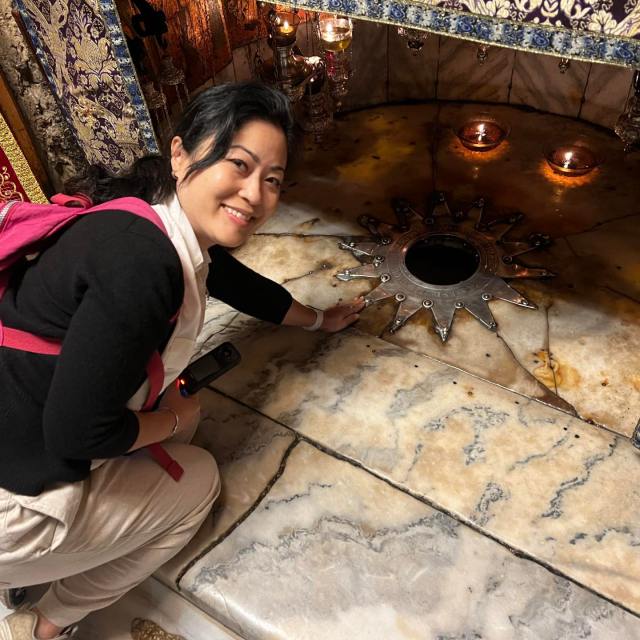
I’ve been there. I’ve crossed the checkpoint, wandered through Manger Square, touched the star inside the Grotto where Jesus was believed to be born. So let’s answer the real questions with real talk—from one traveler to another.
Can Tourists Visit Bethlehem?
Yes. Tourists absolutely can visit Bethlehem. In fact, thousands do every year.
The city is located in the West Bank, roughly 6 miles south of Jerusalem. It’s easily accessible by car or tour bus, usually via Checkpoint 300. All you need is a passport and an Israeli entry stamp. No special permits. No drama.
Most visitors opt for guided tours—not just for ease, but because the guides know when to go, how to avoid big crowds, and where the hidden gems are. I booked mine through Elijah Tours and honestly? I wouldn’t have wanted to navigate it solo.
Is Bethlehem Safe to Visit?
In a word: yes.
There are restrictions for locals and geopolitical tensions, but for tourists—especially during the day—it’s safe and welcoming. Bethlehem thrives on pilgrimage tourism. Locals want you there. They want you to feel safe. And it shows.
Travel smart. Avoid demonstrations. Stick with your guide or group. And enjoy the ancient energy of a city that has more to offer than news headlines ever reveal.
What Does a Trip to Bethlehem Cost?
Here’s a rough breakdown of current prices:
Half-day group tour: $45–$75
Full-day tour (Bethlehem + Dead Sea or Jericho): $85–$120
Private day tour: $250–$500+
These aren’t just shuttle rides. They’re curated, timed, and usually include historical insights you’d never get from a sign or guidebook. Some tours even include visits to family-run olive wood workshops. My nativity set still smells like Bethlehem’s hills.
Can Foreigners Go to Bethlehem?
Yes. Doesn’t matter where you’re from—if you’re allowed into Israel, you can visit Bethlehem.
On my tour alone, we had people from Canada, Italy, the Philippines, and Kenya. No special visa or religious requirement. Just curiosity and maybe a little reverence.
Is It Even Worth Visiting?
Let me put it this way: I’ve traveled a lot. But Bethlehem hits differently.
You don’t go for flashy attractions. You go for history you can feel in your chest. You go for that hush in the Grotto. For the layered scents of incense and olive wood. For the conversations with shopkeepers who still speak Aramaic at home.
Bethlehem isn’t a checklist city. It’s a quiet, soul-deep stop. One that leaves something with you.
Why Can’t Israelis Go?
Technically, Israelis are restricted from entering Bethlehem due to legal regulations related to Area A—Palestinian-controlled zones in the West Bank. These rules date back to the Oslo Accords and are still in place today.
So how do they visit? Many rely on licensed Palestinian tour companies, like Elijah Tours, to host them through coordinated arrangements.
Do Muslims Visit Bethlehem?
Yes. Many people forget that Jesus (Isa) is a revered prophet in Islam, and Mary (Maryam) is honored as his mother. Muslims visit Bethlehem to pay their respects, just as Christians do.
One of the most touching sights in Manger Square is the Omar Mosque, standing peacefully opposite the Church of the Nativity—a reminder that this city holds sacred meaning for more than one faith.
Is Bethlehem Palestinian or Israeli?
Bethlehem is a Palestinian city, located in the West Bank and administered by the Palestinian Authority. Israeli forces control the surrounding checkpoints, but the governance and daily life within the city are Palestinian.
It’s a politically complex place—but also one filled with grace, hospitality, and the shared rhythms of ancient tradition.
Can You Actually Visit the Birthplace of Jesus?
Yes, and it’s as moving as you might imagine.
The Grotto of the Nativity sits below the altar of the Church of the Nativity, marked by a silver star embedded in marble. The space is dim, quiet, and thick with the scent of centuries.
People speak in hushed tones. Some cry. Some pray. Some just sit with the weight of it all.
So… Should You Go?
If your heart’s been nudging you to go—listen.
Go with humility. Go with wonder. Go with someone who knows how to guide, not just show. That’s what made Elijah Tours stand out for me. Their team wasn’t just informative—they were rooted in the land, connected to its stories.


 Private Israel Tours & Holy Land Travel