The Wells of David: Rediscovering Bethlehem’s Humble King and His Forgotten Springs
The Quiet Water Beneath the Noise
When most people hear “Bethlehem,” their minds leap to the manger. To Christmas. But this little hill town has stories far older—stories carved in stone and whispered through olive branches.
Long before the nativity, before choirs of angels, there was a shepherd boy named David. His story started not in a palace or a battlefield, but among rocks, sheep, and springs. And in one moment, later in life, far from home and weary, he whispered a longing that still echoes:
“Oh, that someone would bring me water from the well near the gate of Bethlehem…”
That single line reveals everything. The homesickness. The sweetness of memory. The sacredness of something as simple as a drink from your own well.
David’s Bethlehem: More Than a Footnote
Bethlehem wasn’t grand. It didn’t have columns or armies. But it shaped kings.
Known in scripture as Bethlehem Ephrathah, this “House of Bread” was where David grew up. It was here, in the shadow of two rocky ridges, that the youngest son of Jesse was anointed by Samuel. Nobody expected much from David. He was, quite literally, left out in the fields.
And yet—God saw him. Chose him. And so the story of Bethlehem as the Town of David began.
The Wells Behind the Church: Still Standing, Still Silent
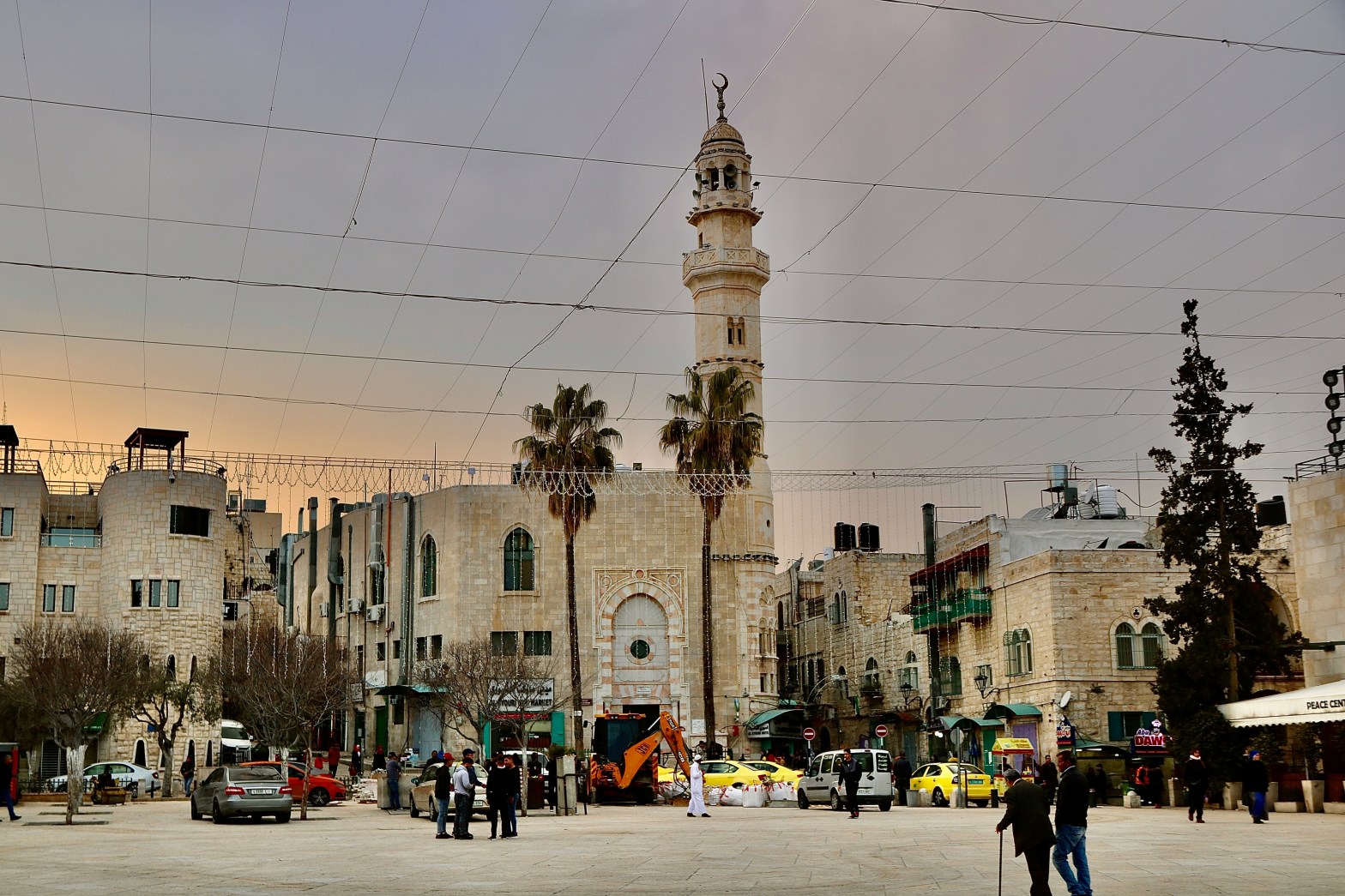
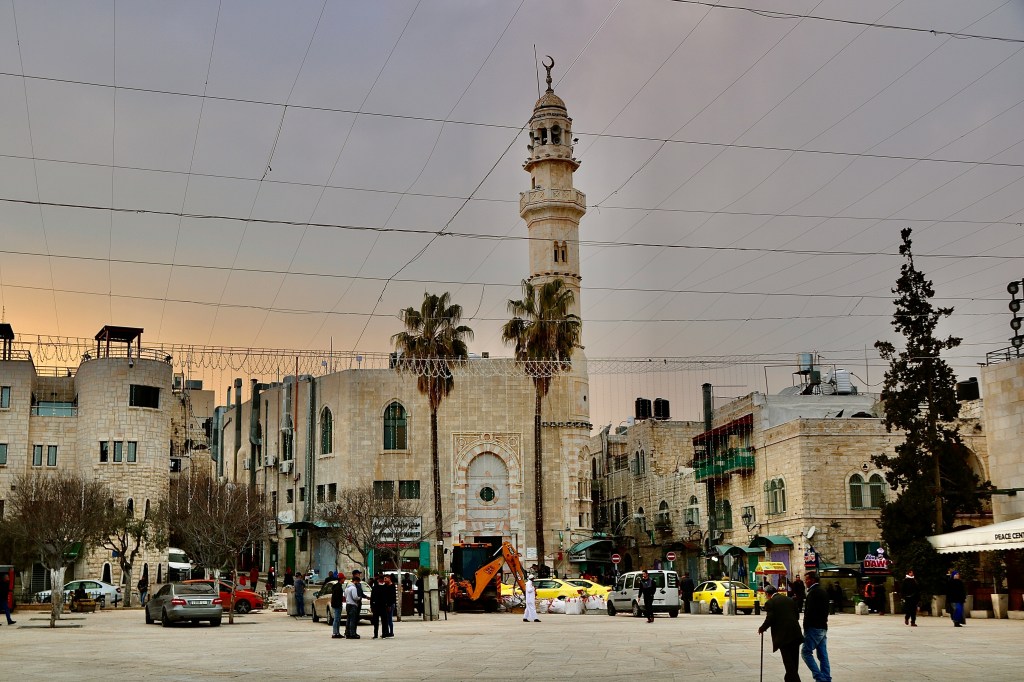
Walk past Manger Square, away from the crowds, and you might find them. Three ancient wells tucked behind the Church of St. Catherine. Not active. Not fenced off. Just… there.
Locals call them David’s Wells, and while scholars debate details, tradition holds firm. These could very well be the very same wells that quenched the boy David, and haunted the king in exile.
There’s no sign. No ticket booth. Just stone circles sunken into the earth, whispering a history that won’t raise its voice but also won’t go away.
Shepherd’s Fields: Where Psalms Were Born
To the south of Bethlehem lie the quiet hills of Shepherds’ Field. Tour buses know the spot, but if you walk just a bit farther, the hills still feel like they did three thousand years ago.
It’s here David tended his flocks. Likely barefoot. Probably singing. Maybe even composing verses that would become sacred psalms.
And centuries later, these same fields would see another shepherd’s sign—this time with angelic choirs announcing Jesus’ birth.
It’s all connected. The silence. The sheep. The Savior. And it all loops back to David.
Hills, Cisterns, and Anointing Oil
Bethlehem was built between two rugged elevations. Not a coincidence. These hills provided safety, grazing land, and natural water channels—especially crucial for a shepherd’s family.
Beneath the ground, even today, archaeologists have uncovered ancient cisterns, storage channels, and Iron Age pottery. These aren’t museum pieces—they’re the bones of the biblical town.
And somewhere in that landscape, Samuel poured oil over David’s head. The youngest. The one nobody invited to the line-up. That’s Bethlehem for you—always picking the overlooked.
A Table for Reflection
| Biblical Site | Significance | What You See Today |
|---|---|---|
| Wells of David | David’s longing for home and familiar water | Three ancient wells behind church walls |
| Anointing of David | Samuel chooses David as king | Traditionally believed to be nearby hill |
| Shepherd’s Fields | Where David and later angels tended the flocks | Quiet hills south of the city |
| Two Rocky Hills | Bethlehem’s natural geography and defense | Still shaping the city’s layout |
| Iron Age Artifacts | Physical evidence of David’s Bethlehem | Pottery and water systems beneath square |
The Prophetic Line From David to Christ
The Old Testament isn’t just history—it’s layered. And Bethlehem plays a starring role in both David’s beginning and Jesus’ birth.
The prophet Micah declared that from Bethlehem would come a ruler for Israel. That ruler was David. And later, another would be born in a stable just down the road from those wells. Jesus, also called Son of David, fulfilled that prophecy in full.
Bethlehem became the city of kings, not because it crowned them—but because it made them.
No Tour Map Can Explain This
Ask a local guide about the wells and they’ll smile. Not every traveler finds them. Some walk right by. But if you take your time, slow your steps, and listen, Bethlehem reveals itself. Not loudly, but clearly.
That’s the magic of the town. It doesn’t beg to be noticed—it invites you to remember.
Bethlehem Isn’t Just a Christmas Destination
Most tourists come in December, snap a few photos of the Nativity Church, and leave. But they miss the deeper Bethlehem—the Bethlehem of David, the boy, the psalmist, the fugitive king.
The one who thirsted not just for water, but for home.
Come. Walk the Wells.
If you’ve ever dreamed of walking in David’s footsteps—not just reading about them—this is your invitation.
With Elijah Tours, you’ll visit the ancient wells, explore the true terrain of David’s Bethlehem, and meet the people who still carry that memory in their bones.
📱 Contact us now via WhatsApp to book a spiritual, historical, and unforgettable walk through the Town of David.
👉 Click here to message Elijah Tours on WhatsApp
Sometimes the most sacred water is the one you remember from home.
References & Further Reading
- Bible Gateway – Dive into scriptures like 2 Samuel 23 to read the story of David’s longing for Bethlehem’s well.
- Catholic Answers – Discover why Bethlehem plays a vital role in both prophecy and salvation history.
- Encyclopedia Britannica – Explore detailed entries on King David, Bethlehem, and the ancient Kingdom of Israel.
- Biblical Archaeology Society – Read about archaeological discoveries that support Bethlehem’s deep biblical roots.
- Elijah Tours – Experience Bethlehem with local Christian guides who bring the story of King David and Jesus to life.
 Private Israel Tours & Holy Land Travel