t’s hard to describe Jerusalem. Even after visiting, the words don’t come easily. It’s not just a city. It’s an argument. A prayer. A miracle. A contradiction. And above all—Jerusalem is alive.
If you’re planning to visit (or even just curious), here’s what you absolutely should know—from the political heat to the spiritual chills.
Is Jerusalem in Israel or Palestine?
This is one of those questions that doesn’t come with a clean answer. Or at least not one that makes everyone happy.
West Jerusalem has been under Israeli control since 1948. After the war in 1967, Israel captured East Jerusalem (the part with the Old City) and later annexed it. Most countries don’t recognize this annexation. The United Nations still sees East Jerusalem as part of the occupied Palestinian territories.
So what does that mean in reality? On the ground, Israel runs the whole city. But globally, it’s still a matter of dispute. To many Israelis, Jerusalem is their eternal capital. For Palestinians, East Jerusalem is the capital they dream of.
You can dig deeper here:
https://www.un.org/unispal/document/auto-insert-205535/
It’s Not Just Politics. It’s Sacred Ground for Billions.
The city’s weight isn’t just political—it’s spiritual. You’ll see it on every street. People cry here. People kneel. People sing and kiss old stones.
For Jews, this is where the Temple once stood—the very heart of their faith. For Christians, it’s where Jesus walked, was crucified, and came back from the dead. And for Muslims, Jerusalem is home to Al-Aqsa, where the Prophet Muhammad ascended to heaven during the Night Journey.
This isn’t just one religion’s holy city. It’s three of them. Stacked, layered, and living together. Sometimes peacefully. Sometimes not.
Helpful article here:
https://www.nationalgeographic.com/culture/article/jerusalem-what-makes-it-holy-to-three-religions
What It’s Like to Walk the Streets
There are few cities where a 10-minute walk can take you through four different religious quarters, five languages, and a thousand years of history.
The Old City is divided into quarters—Jewish, Muslim, Christian, and Armenian. But the lines blur in the real world. A Muslim shopkeeper sells Christian rosaries. An Orthodox Jew walks by an Arabic bakery. The tension? It’s there. But so is the humanity.
It’s messy, beautiful, and unforgettable.
Where to Eat in Jerusalem
The food in this city is an explosion of flavor and culture. Think flaky pastries, warm pita fresh from the oven, grilled lamb skewers, and citrusy herbs. Everyone eats here like it’s their last meal.
Head to Mahane Yehuda Market (locals just say “the shuk”). During the day, it’s a bustling scene of fruit vendors, spice stalls, and old women bargaining. At night, the market flips—bars, live music, and people dancing with hummus in hand.
If you want restaurant tips, here you go:
https://www.timeout.com/israel/restaurants/best-restaurants-in-jerusalem
https://www.tripadvisor.com/Restaurants-g293983-Jerusalem_Jerusalem_District.html
Where to Stay (It Really Depends on Your Vibe)
Jerusalem has every kind of place to stay—from five-star elegance to monastic guesthouses.
- The King David Hotel feels like royalty. World leaders stay there.
- Mamilla Hotel is sleek, modern, and super close to the Old City.
- Looking for something smaller and artsier? Villa Brown or Alegra in Ein Kerem are boutique gems.
Browse your options here:
https://www.booking.com/city/il/jerusalem.html
https://www.trivago.com/jerusalem-84910/hotel
Jesus Was Here
If you’re a Christian, it’s impossible not to feel something when walking the Via Dolorosa—the path believed to be where Jesus carried his cross. And then you reach the Church of the Holy Sepulchre, where so many believe he was crucified and rose again.
Even if you’re not religious, the energy inside that church is heavy. There are candles. Whispers. Songs. You don’t leave that place unaffected.
For background:
https://www.history.com/topics/religion/jesus-christ
https://www.seetheholyland.net/church-of-the-holy-sepulchre/
The Al-Aqsa Mosque and the Muslim Heart of the City
The Haram al-Sharif (Noble Sanctuary) is home to Al-Aqsa Mosque and the Dome of the Rock. For Muslims around the world, this is the third holiest place after Mecca and Medina.
You’ll see people here from everywhere—Indonesia, Turkey, Egypt, the West Bank—praying side by side. Some cry. Some bring their kids. Some just sit in silence, watching the golden dome shine in the light.
Want to understand more?
https://www.britannica.com/place/Al-Aqsa-Mosque
https://www.aljazeera.com/news/2023/4/14/what-is-al-aqsa-mosque-and-why-is-it-so-important-to-muslims
The Can’t-Miss Spots
If you only have a few days, make time for these:
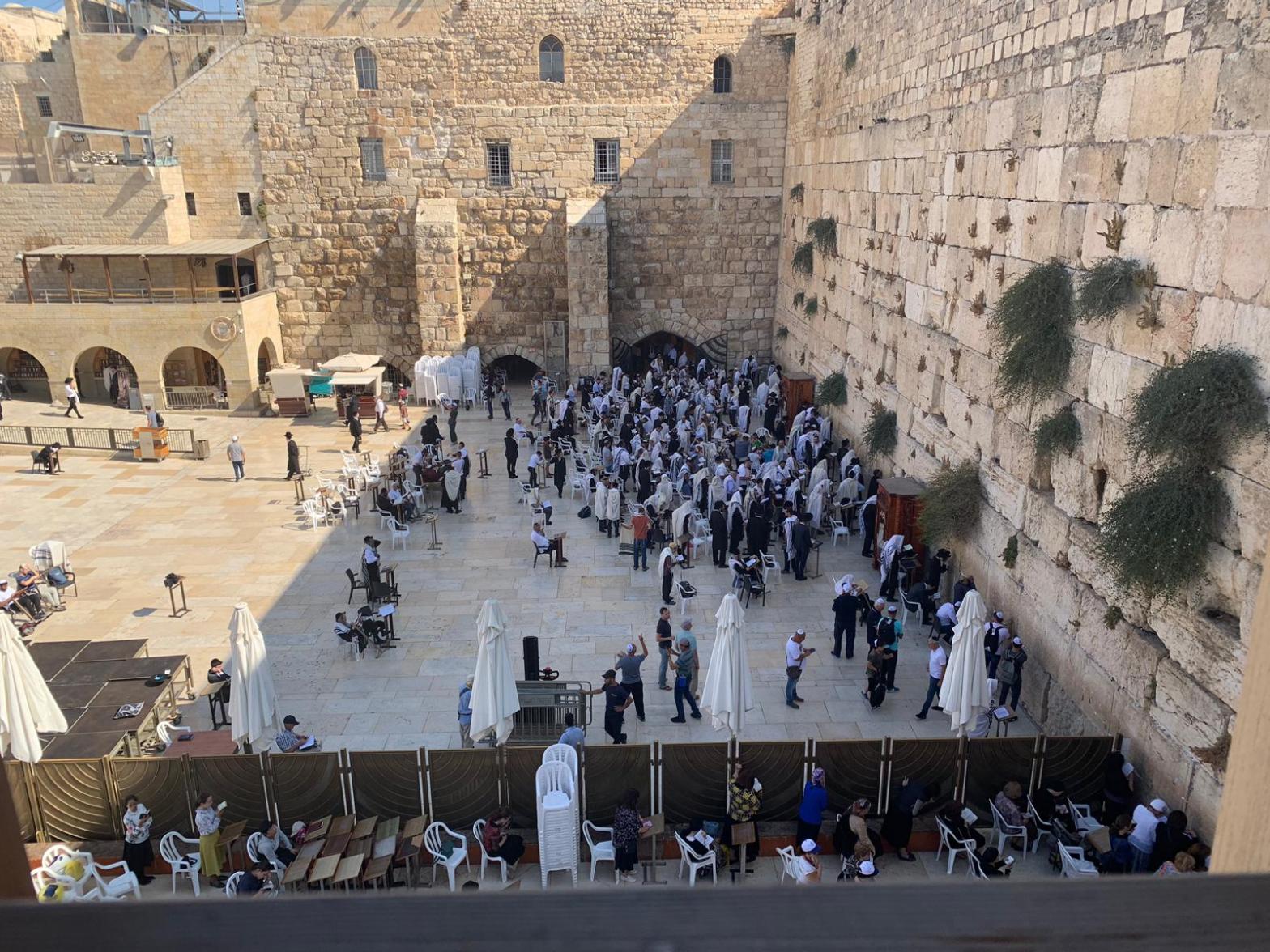
- Western Wall – Sacred to Jews, full of emotion.
- Church of the Holy Sepulchre – Central to Christian belief.
- Dome of the Rock – A golden icon of the city.
- Mount of Olives – The best view, and full of stories.
- Yad Vashem – Haunting Holocaust museum that will stay with you.
- Israel Museum – See the Dead Sea Scrolls in person.
- Mamilla Mall – Fancy shopping, cafes, and a spot to breathe.
Great overview here:
https://www.lonelyplanet.com/israel-and-the-palestinian-territories/jerusalem
What to Know Before You Go
- Best time to visit: Spring or fall. Summers are brutal.
- Dress modestly, especially around religious sites. Shoulders and knees covered.
- Don’t rely only on cards. Bring cash—especially in markets.
- Avoid religious holidays if you don’t like crowds.
- Be open. Be kind. People may surprise you.
Final Thoughts
You don’t just visit Jerusalem. You feel it.
It’s loud, sacred, stressful, peaceful, overwhelming, quiet, and wildly human. It’s a place that doesn’t try to be liked. It just is. And maybe that’s what makes it unforgettable.
 Private Israel Tours & Holy Land Travel